
Goniothalamus hookeri
Goniothalamus hookeri
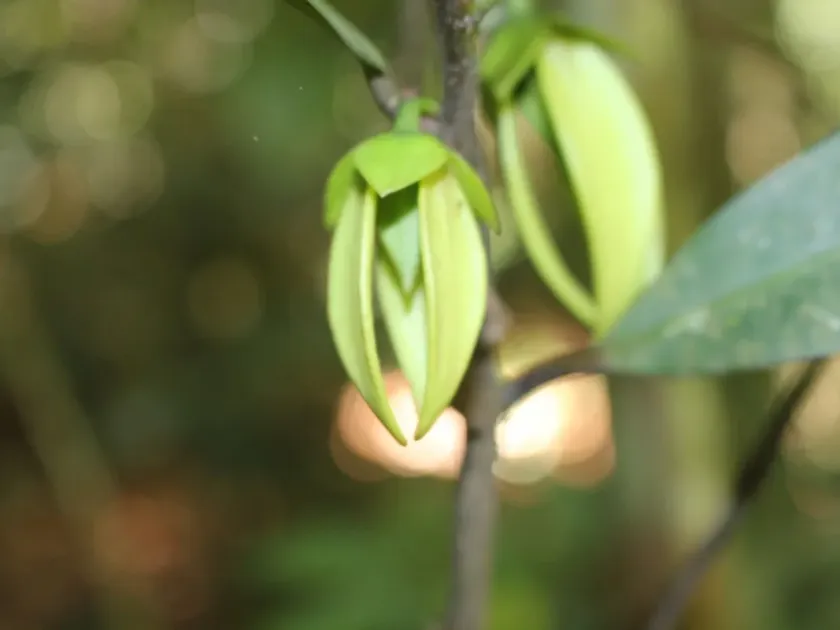
Description
Growing requirements
Goniothalamus hookeri is an evergreen tropical plant belonging to the Annonaceae family. It is typically found in the dense, moist understory of tropical evergreen forests, where high humidity and consistent shade are maintained throughout the year.
The species is endemic to the Western Ghats of India. It thrives in soils that are rich in organic matter and possess excellent drainage capabilities, ensuring that the roots remain moist but never waterlogged or suffocated by stagnant water.
Climatic requirements are strict: the plant needs a stable temperature range between 22°C and 30°C. It is highly sensitive to extreme heat, direct sunlight exposure, and dry winds, which can lead to rapid desiccation of the foliage.
Botanically, it is recognized for its slow-growing habit and specialized reproductive structures. Cultivation efforts are primarily directed towards conservation, as the species is not typically grown as a mass-market agricultural crop.
Its economic importance is linked to its biochemical profile. The plant contains various bioactive compounds, specifically alkaloids, which are currently being evaluated for their significant potential in the pharmaceutical industry.
Main diseases and pests
The primary threat to Goniothalamus hookeri is habitat destruction. Deforestation and land-use changes in the Western Ghats have significantly reduced the geographical range suitable for this delicate species to persist.
Regarding pest management, while large-scale agricultural data is missing, local plant populations may be affected by fungal pathogens in high-humidity conditions. Proper air circulation is essential to prevent stem and root rot.
Competition from invasive species can overwhelm seedlings in their early growth stages. Manual weeding and ensuring a clean growth environment are critical for the survival of young plants in nurseries or protected areas.
Micro-climatic imbalances, such as irregular rainfall patterns or sudden heat waves, pose a constant risk. These stress factors weaken the plant's resistance, making it more susceptible to opportunistic diseases.
Over-harvesting by collectors seeking medicinal materials is an ongoing threat. Such activities prevent natural seed dispersal and the establishment of new generations, further endangering the long-term viability of the species.