

Alfa-Prometrin
Zhejiang Zhongshan Chemical Industry Group Co., Ltd.
Herbicides
1
1
·
3K
21 offer
0.48 €per 1 l
Buy
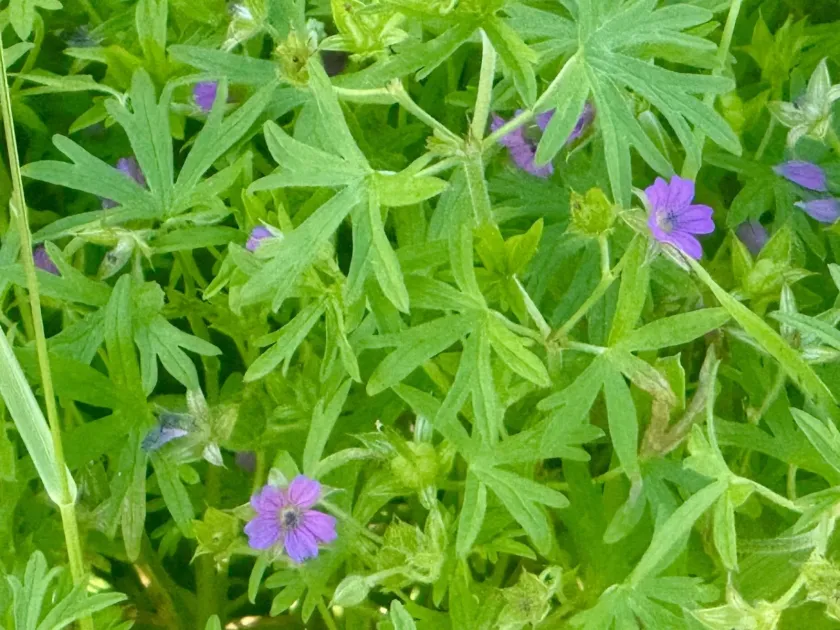
Cut-leaved cranesbill (Geranium dissectum L.) is an annual herbaceous plant belonging to the Geraniaceae family. It is widely recognized as a segetal weed found in various agricultural landscapes and cultivated fields.
The plant thrives in fertile, well-drained soils and shows a preference for nitrogen-rich environments. It is highly adaptable and can establish itself in a variety of soil textures ranging from sandy loams to heavier clay soils.
Botanically, it is characterized by its deeply dissected, palmate leaves and small, reddish-purple flowers. Its growth habit is typically prostrate or ascending, which allows it to thrive in the lower canopy of agricultural crops.
Regarding climatic requirements, Geranium dissectum is highly resilient to temperate climate variations. It exhibits excellent cold tolerance, often germinating early in the spring or late autumn in mild winter regions.
In terms of economic value, this plant is considered a nuisance in arable farming. It competes directly with primary crops for soil nutrients and solar radiation, often necessitating weed management interventions to maintain yield potential.
While Geranium dissectum is a robust plant, it remains susceptible to specific biological pressures. Pathogens such as powdery mildew can affect the foliage, particularly in humid conditions, which significantly reduces the plant's vigor.
Insect pests, including various aphids and larvae, may feed on the tender parts of the plant. Although they might cause localized damage, they are generally insufficient to provide natural control over the weed population in a commercial field.
The primary control strategy involves intensive mechanical cultivation and the use of targeted herbicides. Early intervention is critical to prevent the plant from reaching the seed-bearing stage, as it produces a large quantity of seeds.
Effective weed management programs integrate crop rotation, proper fertilization timing, and the use of selective herbicides. Monitoring field borders and non-cropped areas is also essential for limiting spread.
Standard agronomic practices such as maintaining soil health and preventing seed dispersal through machinery ensure that cut-leaved cranesbill does not become a dominant competitor in the field.
