
Clark's cranesbill
Geranium clarkei Yeo
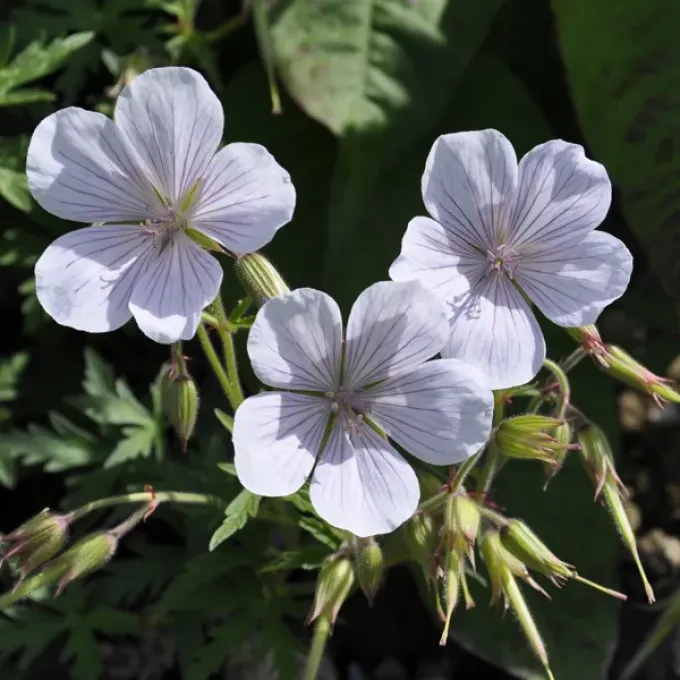
Description
Sowing dates
Propagation of Geranium clarkei is most effectively achieved through the division of rhizomes, which ensures genetic consistency of the cultivar.
The ideal time to divide the clumps is early spring, just as the plant begins its new growth cycle, or early autumn after the flowering phase.
For gardeners choosing to propagate via seeds, cold stratification is a necessary step to overcome seed dormancy and ensure successful germination.
Sowing should be performed in autumn, allowing the seeds to undergo natural winter chilling cycles before spring emergence.
When planting, ensure that the spacing between individual plants is sufficient, typically 40 to 50 centimeters, to allow the foliage to spread naturally.
Growing requirements
Geranium clarkei is a hardy perennial belonging to the Geraniaceae family, celebrated for its ornamental value in cool-climate gardens.
Originating from the Himalayan regions, this plant thrives in environments that provide cool temperatures and consistent soil moisture.
The preferred soil for this crop is fertile, well-drained, and rich in organic matter to support the development of its vigorous root system.
This species is highly versatile regarding light exposure, performing well in both full sun and partial shade locations throughout the garden.
While the plant shows some tolerance to temporary dry spells, regular irrigation during the peak summer months is essential for optimal blooming.
Main diseases and pests
The plant generally possesses high resistance to common garden ailments, yet poor air circulation can lead to specific health issues.
Fungal pathogens such as powdery mildew may appear if the plants are situated in overly humid environments with restricted airflow.
Pests like aphids and spider mites can occasionally cause damage, particularly during hot and dry periods when plant stress is elevated.
Maintenance practices, such as removing old or damaged foliage, significantly reduce the risk of secondary infections within the planting site.
Integrated pest management, including the use of neem oil or insecticidal soaps, is highly recommended upon the appearance of early signs of infestation.