
Iberic cranesbill
Geranium ibericum Cav.
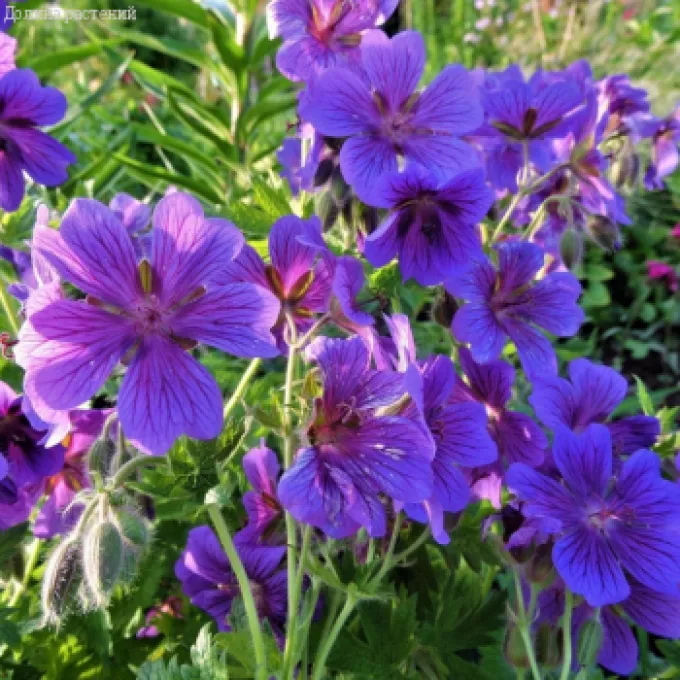
Description
Sowing dates
Iberic cranesbill (Geranium ibericum) is a robust perennial herb belonging to the Geraniaceae family. It is widely cultivated for its ornamental value and ground-covering ability.
Propagation is primarily achieved through seed sowing or division of established clumps. Fall sowing is recommended for seeds as it allows for natural cold stratification during winter months.
For spring propagation, division is the most efficient method. It should be performed early in the season or late summer, allowing the root system to establish itself before extreme temperatures arrive.
When planting seedlings or divisions, spacing should be maintained at 40–50 centimeters. This distance ensures adequate aeration and prevents the overcrowding of mature clumps.
With proper placement, the plant quickly establishes a dense canopy. The rhizomatous root system allows it to persist in the same location for many years without constant replanting.
Growing requirements
This species thrives in full sun but maintains good growth in partial shade. It is highly valued for its cold hardiness, making it suitable for varied climatic zones.
Iberic cranesbill prefers fertile, well-drained loamy soils. Good drainage is critical, as stagnant water can lead to root rot and decrease the plant's overall vigor.
The plant is noted for its drought tolerance once established. However, during prolonged dry spells, occasional deep watering helps sustain leaf turgor and flower production.
Annual fertilization with balanced mineral nutrients in early spring promotes lush growth. Mulching around the base helps retain moisture and limits the emergence of weeds.
Deadheading faded flowers is a beneficial practice. It redirects the plant's energy toward foliage development and may encourage a secondary blooming period in favorable conditions.
Main diseases and pests
Geranium ibericum is naturally resistant to most common garden pathogens. Its robust health makes it a low-maintenance choice for both professional and amateur gardeners.
Powdery mildew may occur if planting density is too high or if air circulation is insufficient. Thinning the plants is the most effective cultural method to prevent this issue.
Pests such as aphids or leaf nematodes are rare but can appear under stressed conditions. If necessary, targeted application of appropriate insecticides can manage these populations.
Routine monitoring of the foliage ensures that any issues are detected early. Removing affected stems or leaves is often sufficient to control minor outbreaks of pests or diseases.
General hygiene, such as removing dead organic matter from the garden bed at the end of the season, effectively reduces the likelihood of overwintering pathogens.