
Oxford geranium
Geranium x oxonianum Yeo
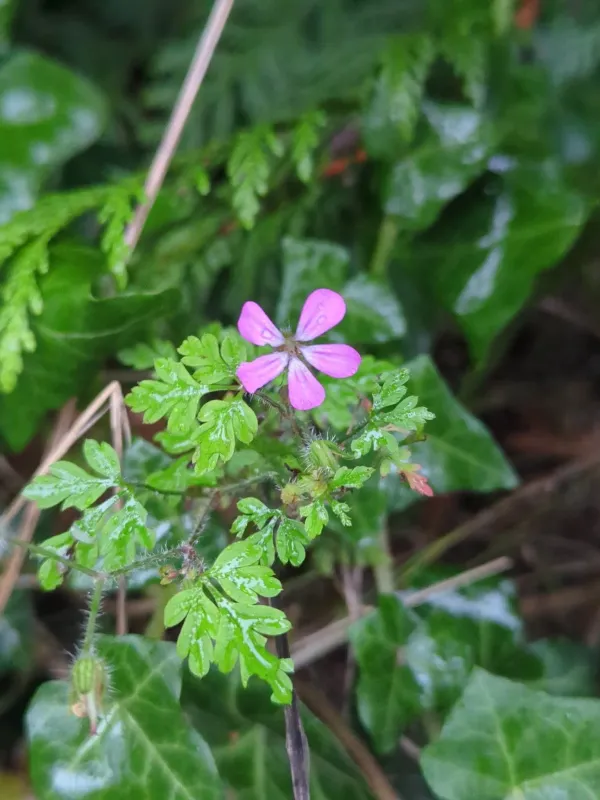
Description
Growing requirements
Oxford geranium (Geranium x oxonianum) is a highly valued hybrid perennial belonging to the Geraniaceae family. This plant is a result of cross-breeding between Geranium endressii and Geranium versicolor, known for its vigorous growth and extended blooming season.
The species is well-adapted to various soil types, provided that the growing medium is fertile and has excellent drainage. It thrives in both full sun and partial shade, although it performs best in regions with moderate temperatures and consistent moisture levels.
Agrotechnical practices involve regular watering during the establishment phase and during prolonged dry spells. Mulching around the base of the plants helps retain soil moisture and naturally suppresses weed growth, reducing the need for manual weeding.
The plant is highly frost-resistant, making it a reliable choice for temperate climates. In early spring, removing old foliage encourages fresh, vigorous growth, which contributes to the overall health and ornamental value of the planting.
In terms of agricultural and landscaping use, Oxford geranium is an excellent groundcover. It is widely used in border planting, cottage gardens, and rockeries, providing a dense mat of attractive foliage and delicate, cup-shaped flowers throughout the summer.
Main diseases and pests
While Oxford geranium is generally considered a low-maintenance plant with strong natural defenses, it can be susceptible to specific fungal infections under unfavorable environmental conditions, such as poor air circulation.
Powdery mildew is the most common disease, often appearing when high humidity coincides with warm temperatures. Ensuring adequate spacing between plants is the primary preventive measure to manage these risks.
Slugs and snails can cause cosmetic damage to the leaves, especially in moist and shaded areas of the garden. Implementing organic pest barriers or using eco-friendly baits can effectively control these populations without harming the surrounding ecosystem.
Occasionally, sap-sucking insects like aphids may colonize the young shoots during a stress period. Regular monitoring of the foliage ensures that any infestation is identified early, allowing for targeted intervention.
Maintaining high hygiene standards in the garden, such as clearing debris and avoiding overhead watering, significantly reduces the pressure from pests and diseases, keeping the geranium patches vigorous for many seasons.