
Armenian cranesbill
Geranium psilostemon Ledeb.
Description
Growing requirements
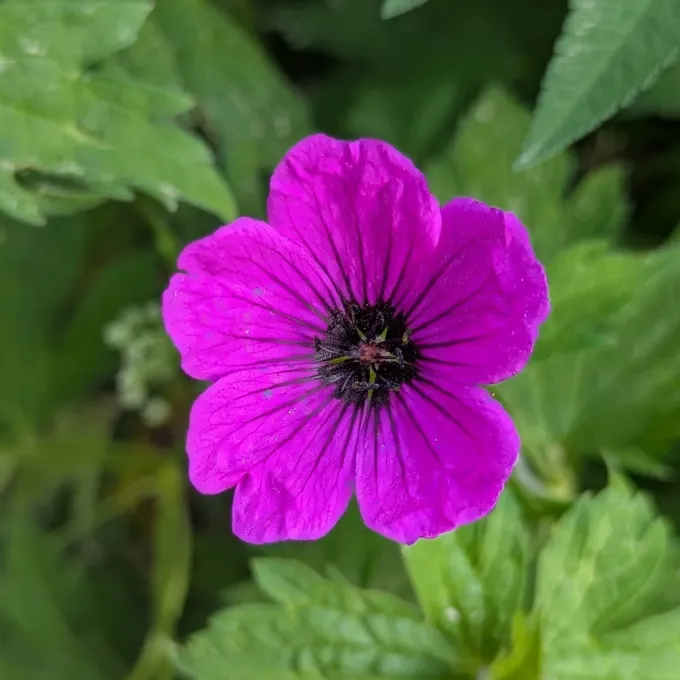
Armenian cranesbill (Geranium psilostemon) is a robust perennial herb belonging to the Geraniaceae family. It is highly valued for its vigorous growth habit and vibrant, dark-centered magenta blooms.
The species is native to the Caucasus region and northeastern Turkey. It is well-adapted to cooler temperate climates and thrives in mountainous environments with high air humidity.
Successful cultivation requires a location with full sun or partial shade. The soil should be fertile, moist, and possess excellent drainage capabilities to prevent the root system from becoming waterlogged.
Agronomic practices for this crop include consistent soil maintenance and weeding during the early stages of establishment. Regular application of balanced fertilizers promotes lush foliage and abundant flower production.
In ornamental horticulture, this species is used for large-scale landscaping and herbaceous borders. Its hardiness and long-lived nature make it a preferred choice for sustainable public and private gardens.
Main diseases and pests
The Armenian cranesbill is generally resilient to many common plant diseases. However, in poorly ventilated or excessively humid conditions, it may become susceptible to powdery mildew.
Root rot is a potential risk if the soil structure remains saturated for extended periods. Proper site selection and soil amendment are essential preventive measures against soil-borne pathogens.
Pest issues usually involve aphids or spider mites during periods of extreme heat and drought. These pests can cause leaf yellowing and structural damage if left unmanaged.
Integrated pest management strategies should be employed to maintain plant health. This includes monitoring for insect populations and applying appropriate biological or chemical controls when thresholds are exceeded.
Sanitation practices, such as removing debris and dead foliage at the end of the season, significantly reduce the carryover of spores and overwintering insect stages.