
Ashy cranesbill
Geranium cinereum Cav.
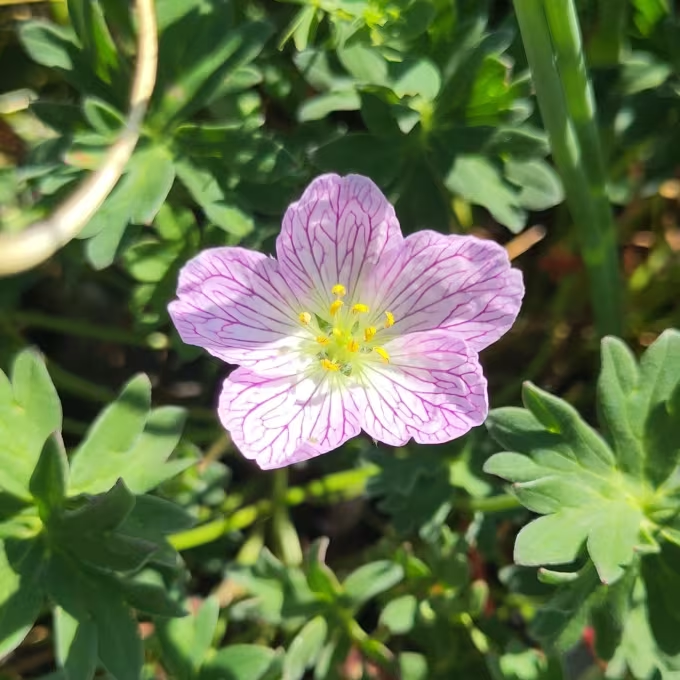
Description
Sowing dates
Geranium cinereum is a perennial plant typically propagated through seeds or division. For seed propagation, sow seeds in late autumn to allow for natural cold stratification, or in early spring after chilling the seeds in a controlled environment to improve germination rates.
Seedlings should be raised in well-drained, sterile potting soil. Maintain consistent moisture levels and provide bright, indirect light until the young plants develop true leaves and are strong enough for transplanting into individual containers or nursery beds.
Vegetative propagation is generally more reliable for maintaining specific cultivars. Divide mature clumps in early spring or late summer by carefully lifting the plants and separating the rhizomes, ensuring each segment has healthy roots and viable buds.
Transplanting is best performed during the cooler periods of the growing season to minimize transplant shock. Ensure that the planting depth remains consistent with the original growth level to prevent crown rot.
Proper spacing between plants is crucial for air circulation. Plant them in prepared garden beds that mimic their natural rocky habitat, ensuring no water accumulation around the crown.
Growing requirements
The ashy cranesbill belongs to the Geraniaceae family and is native to mountainous regions in Europe. Its physiological adaptations make it highly suited for rocky environments, scree gardens, and alpine landscapes.
The plant requires well-draining, neutral to alkaline soil to thrive. In regions with heavy or acidic soils, amend the planting area with grit, gravel, or coarse sand to improve drainage and mimic the conditions of its native habitat.
Full sun is essential for optimal growth and flowering. While it is hardy and drought-tolerant once established, it performs best in positions where it receives at least six hours of direct sunlight daily to maintain its compact, mounded habit.
Climate adaptability is a strong trait of Geranium cinereum, allowing it to withstand significant temperature fluctuations. However, it requires protection from excessive moisture during winter dormancy to prevent root decay.
Minimal fertilization is required as this species is adapted to lean, rocky soils. Over-fertilization, especially with nitrogen, can lead to leggy, weak growth and reduced flowering intensity.
Main diseases and pests
The primary threats to ashy cranesbill are fungal pathogens, particularly powdery mildew and crown rot, which are often exacerbated by poor air circulation or excessively moist growing conditions.
Implementing good cultural practices, such as removing debris and ensuring the soil is free-draining, is the most effective way to prevent these issues. Avoid overhead irrigation to keep the foliage as dry as possible.
Insect pests, including aphids and spider mites, may infest the plants during hot, dry weather. These pests feed on succulent new growth, potentially causing foliage chlorosis and reduced plant vigor.
Integrated pest management is recommended, utilizing horticultural soaps or systemic insecticides if infestations reach damaging levels. Regular monitoring of the foliage underside is key to early detection.
Maintaining healthy plants through proper placement and limited, purposeful pruning of spent blooms encourages a longer flowering period and strengthens the overall resilience of the plant.