
Geranium endressii
Geranium endressii J. Gay
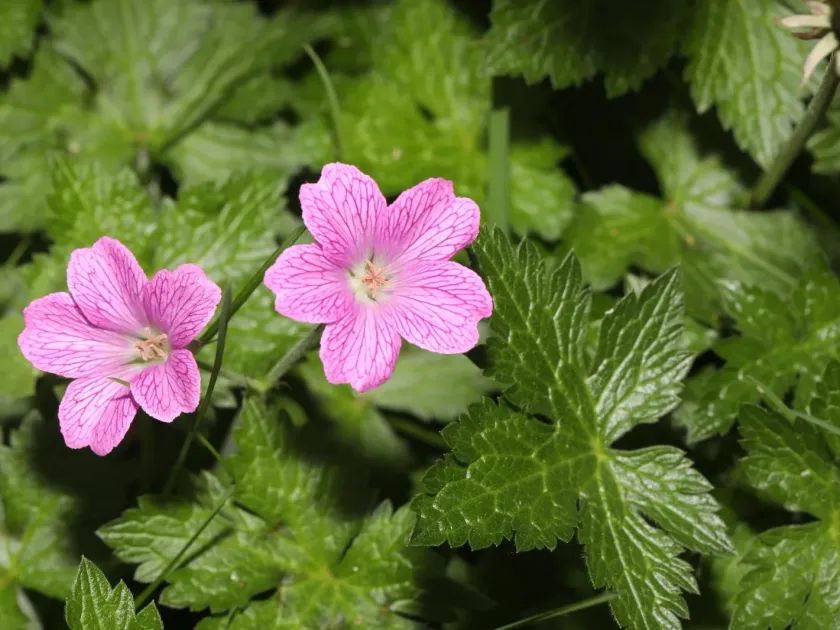
Description
Sowing dates
Geranium endressii, belonging to the Geraniaceae family, is a popular herbaceous perennial known for its vigorous growth and ground-covering ability. It is most commonly propagated via division of the rhizomes, which ensures faster establishment and genetic consistency.
The ideal time for division is during the early spring as the plant begins its active growth phase, or in early autumn before the ground freezes, allowing the root system to settle before the winter dormancy.
When starting from seeds, it is recommended to sow them in flats during the autumn to allow for natural stratification. Seeds should be lightly covered with a fine layer of soil, as light can facilitate germination for many species in this genus.
Young plants obtained from seeds should be transitioned to the garden only after the danger of spring frost has passed. Hardening off the seedlings over two weeks is crucial for preventing transplant shock in the outdoor environment.
For ornamental ground cover, planting density should be approximately 9 to 12 plants per square meter. This spacing allows the plants to knit together effectively within a single growing season, naturally suppressing weeds.
Growing requirements
Native to the Pyrenees, Geranium endressii is highly adaptable to various temperate climates. It performs exceptionally well in sunny locations but is one of the few species that maintains steady blooming even in partial or deep shade.
The plant thrives in fertile, moist, and well-drained soils. While it can adapt to poorer conditions, adding organic matter such as compost or well-rotted manure during planting significantly enhances its flowering performance and overall foliage vigor.
Watering requirements are moderate; however, consistent moisture is beneficial for prolonged flowering throughout the summer. Establishing a deep root system allows the plant to tolerate short periods of drought once fully matured.
This species is notably hardy and does not require winter protection in most temperate zones. Mulching in late autumn can help protect the roots, especially in regions with frequent soil freezing and thawing cycles.
Maintenance involves occasional pruning of the foliage after the first flush of blooms. Cutting back the stems encourages a second, often more vibrant, display of flowers later in the season and keeps the plants looking tidy.
Main diseases and pests
Geranium endressii is generally considered a low-maintenance plant due to its natural resistance to many pests and diseases. Its aromatic foliage contains oils that deter many common garden insects, making it a reliable choice for sustainable gardens.
Powdery mildew is the most common issue, typically occurring in conditions with poor air circulation or excessive heat combined with humidity. Ensuring proper spacing between plants is the most effective way to prevent this fungal infection.
Leaf spots may occasionally appear during prolonged periods of heavy rainfall. It is essential to remove any dead or decaying foliage from the base of the plant to prevent the spread of fungal spores and to maintain clean growing conditions.
Aphids can sometimes infest the tender tips of young growth during the spring. In most cases, a strong jet of water is sufficient to dislodge them; otherwise, the application of insecticidal soap is a safe and effective control method.
By following standard horticultural practices, such as proper drainage and avoiding overhead watering, gardeners can successfully prevent most health problems, ensuring that the geranium patch remains healthy and productive.