
Bigroot geranium
Geranium macrorrhizum L.
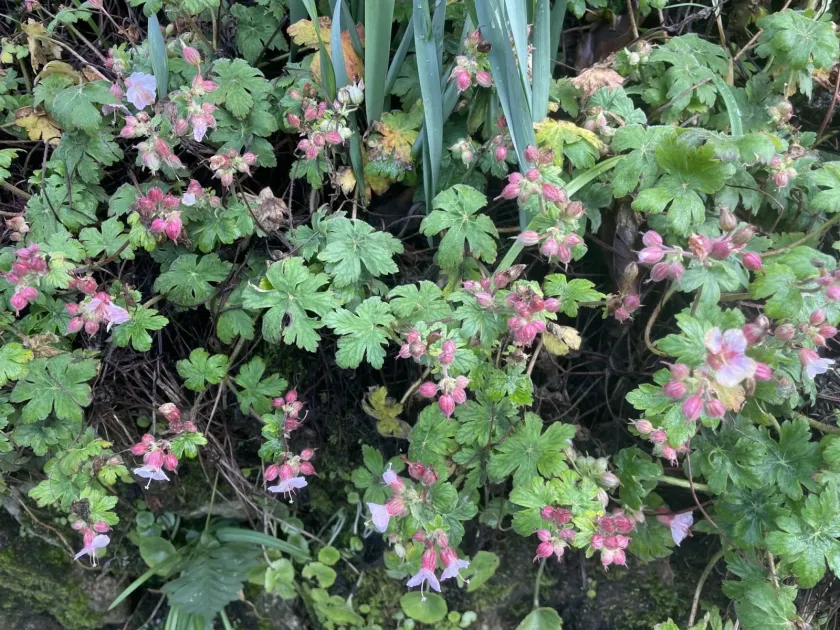
Description
Growing requirements
Bigroot geranium (Geranium macrorrhizum L.) is a robust perennial species belonging to the Geraniaceae family. It is highly valued in agriculture and landscaping for its thick, rhizomatous root system and aromatic, lobed foliage that forms a dense, weed-suppressing mat.
The plant originates from the mountains of Southern Europe and the Balkan Peninsula. Its natural habitat includes rocky slopes and forested areas, which has resulted in the species evolving a high tolerance to diverse environmental conditions, including poor soil and shaded environments.
Successful cultivation requires well-drained soil, though the plant is remarkably adaptable to various textures, ranging from sandy to clay-based soils. It thrives in locations with partial shade, though it maintains excellent vigor in full sun provided there is minimal moisture.
Agronomic management is notably low-maintenance. The species does not require frequent fertilization and is considered highly drought-tolerant once established. Propagation is typically achieved through division of the rhizomes during the dormant season, which allows for rapid ground cover expansion.
Commercial and practical applications include the production of essential oils for the fragrance industry, use in medicinal preparations for their antimicrobial properties, and widespread deployment in environmental restoration projects to prevent soil erosion on slopes.
Main diseases and pests
Geranium macrorrhizum is distinguished by its natural resistance to common garden pests, including deer and rabbits, which avoid the plant due to its strong, distinct fragrance produced by the leaves and stalks.
The primary threats to the health of the crop are related to improper site management. Overwatering and poor drainage are the leading causes of root rot and crown rot, which can lead to rapid plant decline if moisture levels are not managed effectively.