
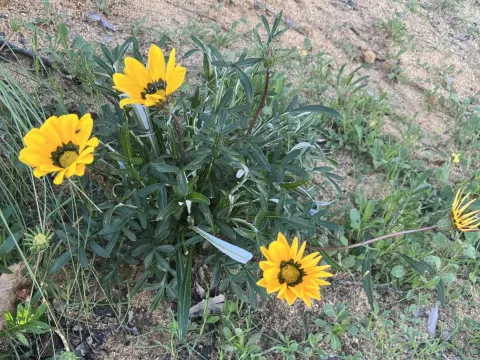
Gazania
Gazania
Gazania is a member of the Asteraceae family, prized for its vibrant, daisy-like flowers that require significant warmth and light to thrive.
What the section contains


Gazania
Seeds should be sown indoors in late winter or early spring, typically 8 to 10 weeks before the expected last frost date in your region.
A well-draining, sterile seed-starting mix is essential to prevent "damping off" disease, which often affects young seedlings of this species.
Maintain temperatures between 20–22 degrees Celsius during the germination phase to ensure a high success rate in seedling emergence.
Hardening off the seedlings is a critical step; expose them gradually to outdoor conditions for about a week before final transplanting into the garden.
The primary requirement for successful growth is full sun exposure; gazanias are well-known for their habit of closing their flowers during cloudy weather.
These plants prefer sandy or rocky soils that provide excellent drainage, as they are naturally adapted to dry, infertile conditions.
Gazanias are remarkably drought-tolerant, meaning they require only moderate watering once established in the ground.
Avoid excessive nitrogen fertilizers, as these promote dense foliage growth at the expense of flower production, which is the main goal of the cultivation.
Spacing is vital to ensure good air circulation, which prevents many of the physiological and pathological issues associated with humidity.
Powdery mildew is a common fungal threat that appears as white patches on leaves, usually triggered by poor ventilation or high humidity levels.
Aphids frequently colonize the tender flower stalks, which can weaken the plant and transmit viral diseases if left untreated.
Root rot, specifically caused by Pythium or Phytophthora species, occurs in poorly drained soils where water remains stagnant for too long.
Spider mites can become a nuisance during hot, dry spells; regular monitoring and moisture management are necessary to prevent their proliferation.
Integrated pest management, including the removal of infested plant parts and the application of targeted insecticides, remains the standard control measure.