
Gazania heterochaeta
Gazania heterochaeta
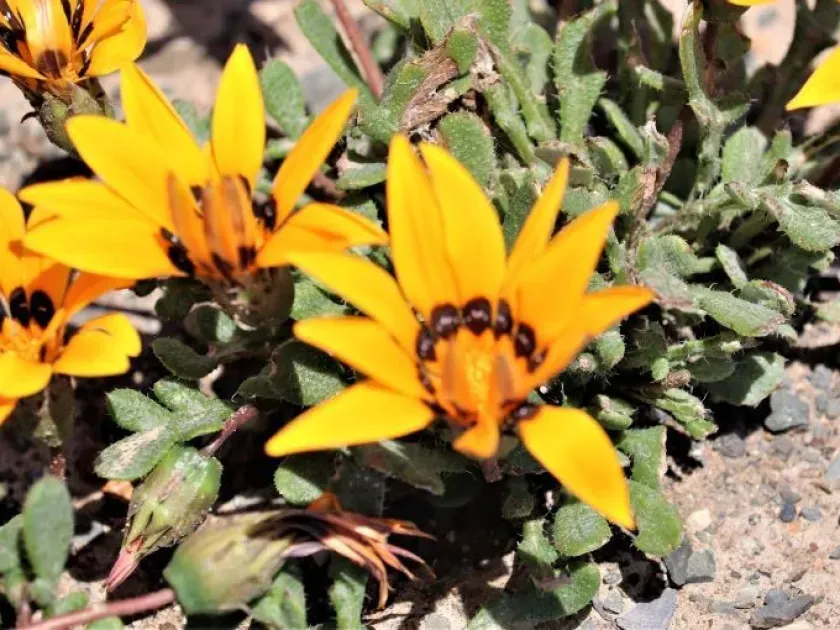
Description
Sowing dates
Gazania heterochaeta is a distinctive member of the Asteraceae family, often cultivated for its ornamental value in dry and sunny climates.
The sowing process begins in late winter or early spring using specialized seedling trays filled with a well-draining, lightweight horticultural substrate.
Seeds should be covered with a very thin layer of fine soil and kept in a warm, bright environment to ensure consistent germination rates.
Once the seedlings develop their first true leaves, they should be carefully transplanted into individual pots to allow for adequate root development before hardening off.
It is essential to maintain high light levels during the germination phase to prevent the seedlings from becoming leggy and weak, which would hinder their outdoor performance.
Growing requirements
This species thrives in full sun and requires a location with high solar exposure to trigger the opening of its blooms and maintain its compact growth habit.
Soil composition is critical; Gazania heterochaeta demands sandy or loamy soils with excellent drainage properties to prevent waterlogging around the root zone.
Although it is highly drought-tolerant once established, the plant benefits from deep, infrequent watering during the peak growing season to support continuous flowering.
It performs best in environments with low to moderate humidity, as excessive moisture often leads to physiological stress and potential fungal infections.
Nutrient requirements are modest, but an application of balanced, slow-release fertilizer during the early stages of growth can enhance overall vigor and bloom quality.
Main diseases and pests
Fungal pathogens such as grey mould are the primary threats, especially when cultivation occurs in areas with poor airflow or stagnant high humidity.
Root rot is a common issue caused by soil moisture saturation, emphasizing the need for strict adherence to drainage requirements in the planting beds.
Insect pests, including aphids and spider mites, can damage the foliage and flower buds, particularly in dry and dusty conditions where plants may be stressed.
Regular sanitation, such as removing decaying plant material and keeping the surrounding soil free of weeds, is vital to mitigate the spread of pests and diseases.
Effective management includes monitoring for early signs of infestation and utilizing appropriate pest control methods when populations exceed aesthetic thresholds.