
Gazania pectinata
Gazania pectinata
Description
Sowing dates
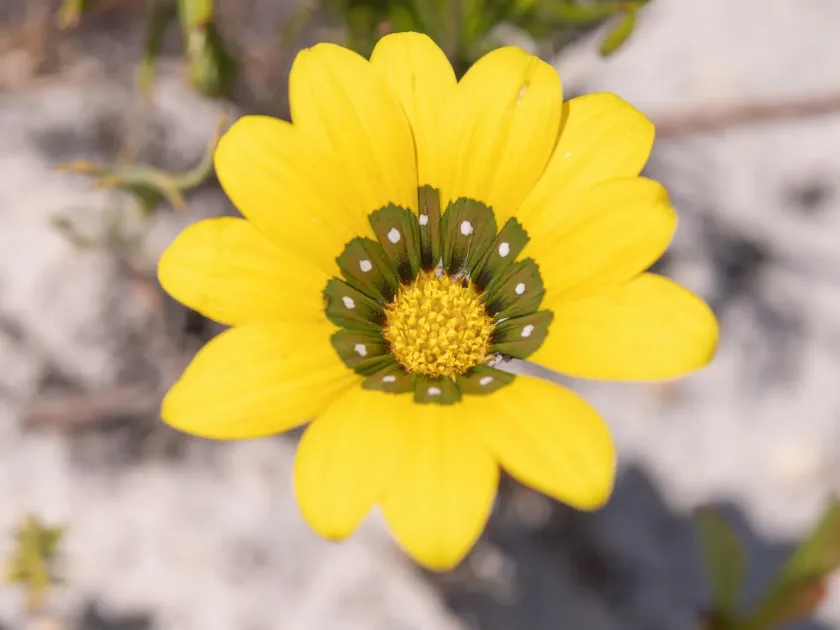
Gazania pectinata, belonging to the Asteraceae family, is a distinctive plant valued for its vibrant blooms. Seeds should be sown indoors in late winter, specifically from February to March, to ensure the plants are well-established before spring.
A loose, well-draining seed-starting mix is essential for healthy germination. Seeds should be covered lightly with substrate, and the tray should be kept in a bright, warm environment with temperatures maintained around 20°C.
When the seedlings have developed two sets of true leaves, they should be carefully pricked out into individual pots. This process helps establish a robust root system, which is vital for the plant's overall vigor.
Before transplanting outdoors, plants require a hardening-off period. Gradually introducing them to outdoor temperatures over two weeks helps prevent transplant shock and promotes better survival rates in the field.
The final planting in the garden should only occur after all risks of frost have passed. Space the plants adequately, usually 20 to 30 centimeters apart, to encourage good air circulation and prevent overcrowding.
Growing requirements
The primary requirement for this species is full sun. The flowers are heliotropic and exhibit nastic movements, opening widely under intense direct sunlight and closing during periods of cloud cover or at night.
Soil structure should favor rapid drainage. While the species is highly adaptable, it thrives best in sandy or loamy soils where oxygen can easily reach the roots. Heavy, waterlogged clay must be amended with organic matter or grit.
Drought tolerance is a key trait of this plant. Once established, it requires only infrequent watering, making it an excellent candidate for xeriscaping or dry garden conditions in semi-arid regions.
Nutrient requirements are modest; however, a balanced liquid fertilizer applied every few weeks during the peak growing season will help maintain continuous flower production and healthy foliage.
Keeping the planting site free from competing weeds is crucial, as the plant does not tolerate root competition well, which can stunt growth and significantly reduce the quality of the blooms.
Main diseases and pests
Root rot is the most serious threat, typically caused by water accumulation at the base of the plant. Ensuring excellent soil aeration is the most effective preventative measure against this pathogen.
Fungal infections, such as powdery mildew, may occur during high humidity. The symptoms include a white, dust-like substance appearing on the leaves, which can be managed with proper spacing and fungicides.
Aphids and spider mites are the most common pests. Aphids cluster on succulent new growth, while spider mites thrive in hot, dry conditions, causing leaves to develop a stippled or yellow appearance.
Pest control should involve integrated management strategies, including the use of neem oil or targeted insecticides, combined with physical removal of heavily infested parts of the plant.
Maintaining a clean garden environment by removing dead plant debris at the end of the season helps reduce the overwintering population of pests and the spread of soil-borne pathogens.