
Gazania hybrids
Gazania hybrids
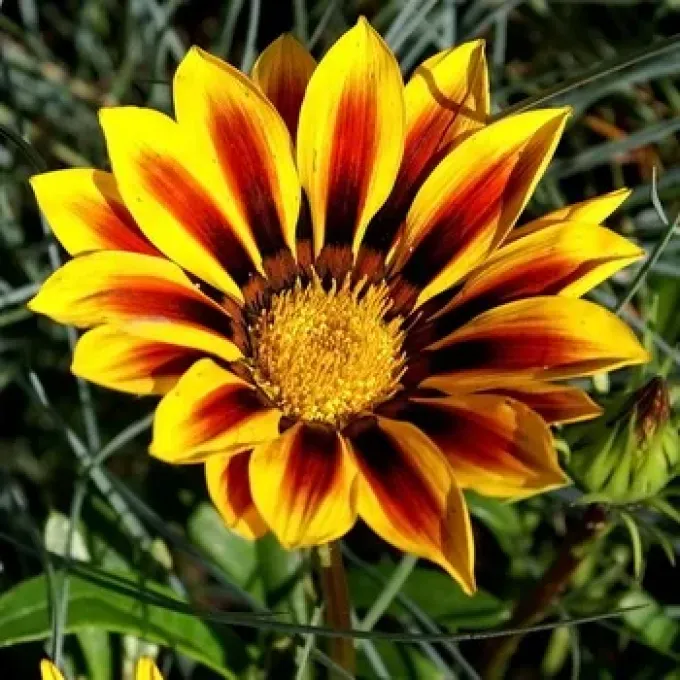
Description
Sowing dates
Gazania hybrids, a member of the Asteraceae family, are widely used as ornamental flowering plants. While they are perennials in their native habitat, they are commonly treated as annuals in temperate agricultural zones.
Sowing should begin in late winter or early spring under controlled indoor conditions. Using a high-quality seed starting mix is crucial to ensure early germination and healthy seedling development.
The seeds require light to germinate effectively. They should be lightly covered with a thin layer of vermiculite and kept at a temperature of approximately 20–22 degrees Celsius.
Seedlings should be pricked out into individual pots once the first true leaves have emerged. This step is vital to develop a strong root system and prevent stress during the final transplanting process.
Hardening off the plants is a recommended practice before moving them to the permanent outdoor location once the danger of frost has passed completely.
Growing requirements
The cultural requirements for Gazania hybrids are centered on high light intensity. They are heliophilic plants and require full sun exposure to open their vibrant, daisy-like blooms throughout the day.
Soil structure is a critical factor for success. These plants thrive in sandy, well-draining soils; high moisture retention in the soil can be detrimental and often leads to root rot.
While known for their drought tolerance, regular irrigation is essential for optimal flower production. The soil should be allowed to dry slightly between watering cycles to maintain plant health.
The application of balanced fertilizers every few weeks during the peak growing season ensures the continued development of high-quality foliage and frequent blooming cycles.
The plant demonstrates a unique biological response known as nyctinasty, where flowers close at night and during overcast weather, protecting the reproductive structures from humidity.
Main diseases and pests
Fungal diseases are the primary threat, specifically grey mold and root rot, which are triggered by poor air circulation and excessive soil moisture levels.
Pest pressures primarily include aphids, which often colonize the underside of leaves and tender buds, potentially stunting the growth and quality of the inflorescences.
Spider mites can also be a significant issue in hot, arid conditions, causing foliage discoloration and fine webbing that compromises the plant's photosynthetic efficiency.
Integrated pest management strategies, such as maintaining appropriate spacing between plants and utilizing biological or chemical control agents, are effective for maintaining plant vitality.
Regular monitoring of the canopy and base of the plant is necessary to identify early signs of pathogen attack and allow for prompt intervention before widespread damage occurs.