
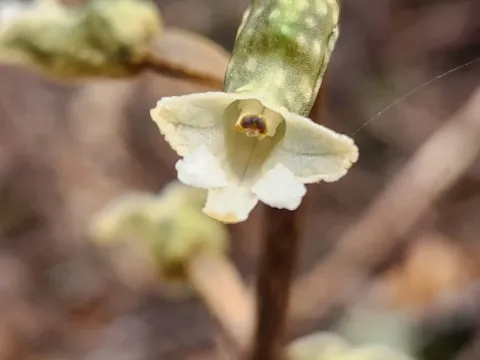
Gastrodia
Gastrodia R. Br.
Gastrodia elata is a highly specialized mycotrophic plant belonging to the Orchidaceae family, which lacks chlorophyll and relies entirely on fungi for its nutrient supply throughout its life cycle.
What the section contains

Gastrodia
Unlike conventional agricultural crops, the sowing of Gastrodia involves the deliberate inoculation of a prepared substrate with the fungus Armillaria mellea, which acts as the host.
The planting procedure requires the preparation of decaying wood logs or wood chips, which are placed in a controlled environment to allow the fungal mycelium to colonize the material.
Autumn is considered the optimal season for setting up Gastrodia plantations, providing sufficient time for the establishment of the symbiotic connection between the orchid and the fungus before winter.
Successful cultivation depends on the meticulous maintenance of the biological chain: from the quality of the wood substrate to the viability of the fungal and orchid tissues.
Gastrodia requires a cool, humid climate, typical of high-altitude forest ecosystems, making it a challenging crop to cultivate outside its native range.
The growing medium must be highly organic and maintain a stable, slightly acidic pH level, which is ideal for both the fungus and the subterranean orchid tubers.
Proper shade management is essential, as direct sunlight can easily dry out the delicate substrate and negatively affect the temperature required for fungal activity.
Moisture regulation is critical; both excessive irrigation and drought can disrupt the symbiotic balance, leading to the rapid decay of the fungal-orchid complex.
Proper ventilation in the growing area is necessary to prevent the buildup of harmful bacteria and to maintain the aerobic conditions needed for the fungus to thrive.
The yield of Gastrodia is measured by the total biomass of the medicinal tubers harvested at the end of the cultivation period, which often lasts up to two years.
Strategic management of the plantation ensures that the tubers reach the necessary size and density of active compounds, such as gastrodin, required for medical usage.
Yield efficiency is highly dependent on the initial quality of the inoculated substrate and the continuous maintenance of the nutrient exchange between the fungi and the plant.
In well-optimized operations, Gastrodia can provide a high-value return per unit of area, making it an attractive niche crop for professional herb producers.
Regular harvesting cycles and site rotation are recommended to prevent soil exhaustion and the accumulation of pathogens within the growing area.
Major threats to Gastrodia crops include various fungal pathogens that can invade the tubers if the substrate becomes waterlogged or contaminated.
Insects and subterranean pests can cause direct damage to the tubers, creating entry points for secondary bacterial infections that lead to significant crop loss.
Invasive or competing fungal species may displace the symbiotic Armillaria mellea, causing the plantation to fail and requiring a complete clearing and replanting of the area.
Environmental stress, such as sudden temperature changes or improper ventilation, can compromise the plant's resistance, making it prone to diseases.
Integrated pest management strategies focusing on biological controls are preferred, as conventional chemical pesticides may interfere with the vital fungal symbiosis.
The harvest of Gastrodia is conducted once the tubers have matured and achieved the optimal concentration of beneficial metabolites for pharmaceutical production.
This critical harvest window usually occurs during late autumn, as the plant enters a dormant phase and concentrates resources within the storage tubers.
Careful manual extraction is required to avoid damaging the outer tissues, which would significantly reduce the quality and market value of the harvested material.
Post-harvest processing involves immediate cleaning and controlled-temperature drying to preserve the delicate compounds from oxidative degradation.
Proper storage in a dry, ventilated environment ensures that the Gastrodia tubers retain their potent healing properties throughout the supply chain.