
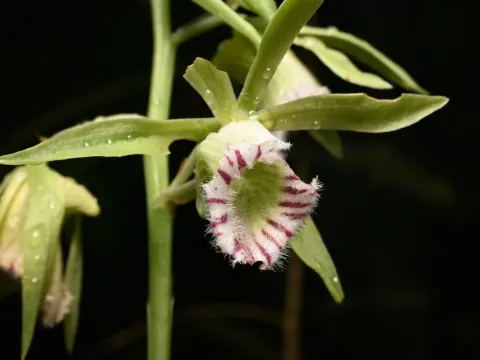
Galeandra
Galeandra
Galeandra is a genus of epiphytic and terrestrial plants belonging to the Orchidaceae family. Naturally occurring in the tropical regions of the Americas, these plants are adapted to humid forest ecosystems with distinct seasonal cycles.
What the section contains


Galeandra
The primary requirement for successful cultivation is the substrate composition. Growers should utilize a mix of coniferous bark, charcoal, and sphagnum moss to ensure adequate drainage, as the root system requires significant oxygenation to thrive.
Lighting conditions must be carefully balanced to mimic the canopy environment. Galeandra species require bright, filtered light; while they appreciate high light levels, direct sunlight should be avoided to prevent foliar damage and yellowing of the leaves.
The climate requirements involve maintaining tropical temperatures, typically between 22 and 28 degrees Celsius during the day. A cooling period at night is essential to facilitate the storage of carbohydrates within the pseudobulbs, promoting healthier growth.
Humidity management is vital, with optimal levels ranging from 60% to 80%. Proper ventilation must accompany humidity to prevent the development of stagnant air, which can lead to rapid decay of the plant tissues.
Spider mites are common pests that thrive in dry environments and can cause significant foliage damage if not monitored regularly. They often target the undersides of leaves where they feed on sap.
Scale insects and mealybugs are also prevalent threats that hide in the crevices of pseudobulbs. Infestations should be treated immediately with horticultural oils or approved systemic insecticides to prevent the spread to other plants.
Fungal pathogens such as root rot and leaf spot are typically the result of improper drainage or overwatering. These diseases can progress quickly in the warm, humid conditions favored by the orchid.
Implementing a strict maintenance schedule that includes tool sterilization and checking substrate moisture levels before watering is the best defense against persistent pathogens.
Proactive monitoring ensures that early signs of disease are addressed before the plant's structural integrity is compromised, ensuring the longevity of the orchid collection.