
Denmoza
Denmoza
Denmoza is a genus of cacti belonging to the Cactaceae family, native to the arid mountainous regions of Argentina. These plants are highly specialized succulents that thrive in challenging high-altitude environments.
What the section contains

Denmoza
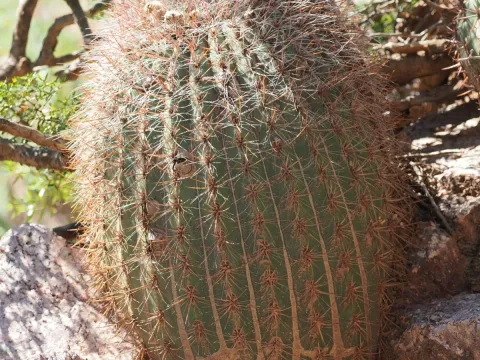
Botanically, Denmoza is known for its slow growth and columnar shape as it matures. The stem is ribbed and adorned with dense, stiff spines that can range in color from yellowish to deep red or brown.
Cultivation requires abundant sunlight throughout the year. Denmoza is a desert cactus that will become elongated and weak if kept in shady areas, making it essential to place it in the sunniest spot available.
The ideal potting medium should be a highly porous mix consisting of grit, sand, and a small amount of organic material. Good drainage is non-negotiable, as the roots are extremely sensitive to stagnant moisture.
During the growing season, water the plant thoroughly but allow the soil to dry out completely before the next irrigation. In winter, maintain a dry and cool dormancy period to ensure the plant remains healthy and capable of blooming.
The most significant threat to Denmoza is root rot, typically caused by overwatering or poor soil aeration. Once the roots are compromised, the plant may collapse quickly without intervention.
Pests like mealybugs can often nestle deep within the spines, making them difficult to detect. Regular inspection of the stem surface is recommended to ensure these insects do not get a foothold.
Spider mites are another common issue, especially in dry and poorly ventilated indoor environments. These pests cause unsightly scarring on the cactus epidermis, which can lead to further fungal infections.
To control pest infestations, systemic insecticides or horticultural oils can be used. Applying these treatments in the early stages is crucial to preventing severe damage to the cactus body.
Maintaining proper hygiene by using clean pots and sterilized tools helps reduce the risk of introducing pathogens into the succulent collection. Consistent environmental control remains the best defense.