
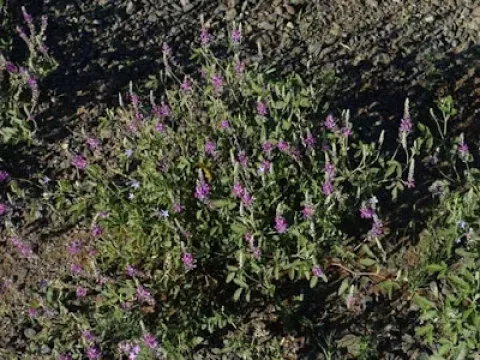
Cullen
Cullen
Sowing Cullen crops is typically performed during the spring season once the soil temperature consistently reaches 12°C to 15°C. This timing ensures that the seeds are not subjected to cold-induced dormancy and can establish strong root systems before the heat of mid-summer.
What the section contains


Cullen
Pre-sowing treatment is essential for most species of the genus, particularly mechanical scarification. Because these seeds are naturally dormant, breaking their hard seed coat is the most reliable way to ensure uniform germination and prevent significant gaps in the crop stand.
The optimal seeding depth for Cullen is shallow, generally between 1 and 2 centimeters. Because the seeds are small and contain limited energy reserves, burying them too deep significantly decreases emergence rates and seedling vigor.
For pastoral or forage purposes, seeds can be drilled directly into existing pastures. This method requires specialized equipment to slice the turf and place the seed, which minimizes soil disruption while maximizing the potential for establishment in competitive environments.
Row spacing should be determined by the end use of the crop. For dense biomass production, narrower rows (15–20 cm) are preferred, whereas for seed multiplication plots, wider spacing (up to 45 cm) is recommended to improve airflow and reduce humidity around the plant canopy.
As a member of the Fabaceae family, Cullen is well-known for its adaptation to arid and semi-arid environments. Its physiological traits allow it to remain productive under conditions where many other forage crops would suffer from severe drought stress.
These plants thrive in well-drained, porous soils. They are particularly intolerant of waterlogging, which often leads to root rot and sudden crop failure. Consequently, selecting sites with good topographical drainage is a primary requirement for successful commercial production.
Cullen species are highly heliophilic and require full sun exposure to maintain high rates of photosynthesis. Shading from neighboring structures or dense canopy cover negatively impacts biomass accumulation and the subsequent reproductive success of the plant.
Soil fertility requirements are generally low due to the plant's symbiotic relationship with nitrogen-fixing bacteria. By converting atmospheric nitrogen into a form available to the plant, Cullen contributes to soil health and requires minimal input of nitrogenous synthetic fertilizers.
The ideal climatic profile includes long, warm growing seasons with infrequent high-humidity events. While the plants are drought-tolerant, they also exhibit a degree of resilience toward varying soil pH levels, preferring neutral to slightly alkaline conditions for optimal nutrient uptake.
Fungal pathogens represent the most significant threat to Cullen, particularly in instances where soil humidity remains high for extended periods. Root and crown rots are the most common issues that can lead to rapid thinning of the plant stand if drainage is inadequate.
Insect pests, including various coleopteran larvae and foliage-feeding beetles, can cause localized damage to the leaves and developing buds. During the early seedling stage, such pressure can be devastating, making monitoring during the first weeks post-germination critical for crop survival.
Competition from aggressive weed species is a major challenge during the slow initial growth phase of the crop. If weeds are allowed to dominate early, they compete for critical sunlight, water, and space, drastically reducing the final yield potential of the plot.
Crop management must emphasize integrated pest management (IPM) strategies to mitigate risk. This includes using certified clean seeds and maintaining a diverse crop rotation that prevents the buildup of soil-borne pathogens specifically targeting the Fabaceae family.
Preventative measures are far more effective than curative treatments for this crop. Maintaining proper spacing and ensuring adequate soil aeration are the best defensive strategies against both biotic and abiotic stresses that frequently affect Cullen populations.