
Cullen plicatum
Cullen plicatum
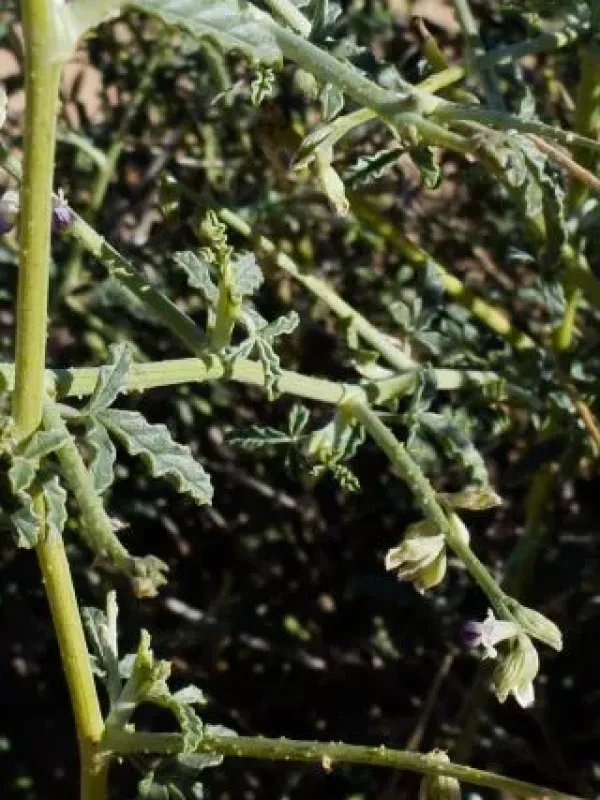
Description
Growing requirements
Cullen plicatum is a perennial leguminous plant belonging to the Fabaceae family. It is recognized for its exceptional resilience in dryland environments, making it a subject of interest for sustainable agriculture.
The plant originates from arid and semi-arid regions, particularly in Australia. It has evolved specific morphological traits to thrive in environments with irregular rainfall and intense heat.
Its deep-reaching root system is a critical adaptation that allows the plant to access moisture far below the soil surface, providing stability during prolonged seasonal droughts.
Regarding soil conditions, this crop prefers well-drained, sandy, or light loamy soils. Proper aeration is crucial, as the plant is sensitive to waterlogging and soil compaction.
Economically, it serves as a valuable forage resource. Its ability to fix nitrogen enhances soil fertility, benefiting surrounding vegetation and overall pasture productivity in dry climates.
Main diseases and pests
The crop is susceptible to common legume pathogens, particularly those causing root rots and foliar diseases when local humidity levels remain high for extended periods.
Pests such as weevils and various insect larvae can damage the foliage and seeds, which directly impacts both biomass yield and the capacity for natural regeneration.
Weed competition poses a significant threat during the establishment phase, as the seedling growth of the plant can be relatively slow, requiring careful management.
Overgrazing is a primary management risk; if not monitored, livestock can deplete the reserves in the root system, significantly reducing the lifespan of the plant stand.
Integrated pest management strategies are advised, focusing on site selection and ensuring proper grazing management to keep the plants vigorous and disease-resistant.