
Cullen americanum
Cullen americanum
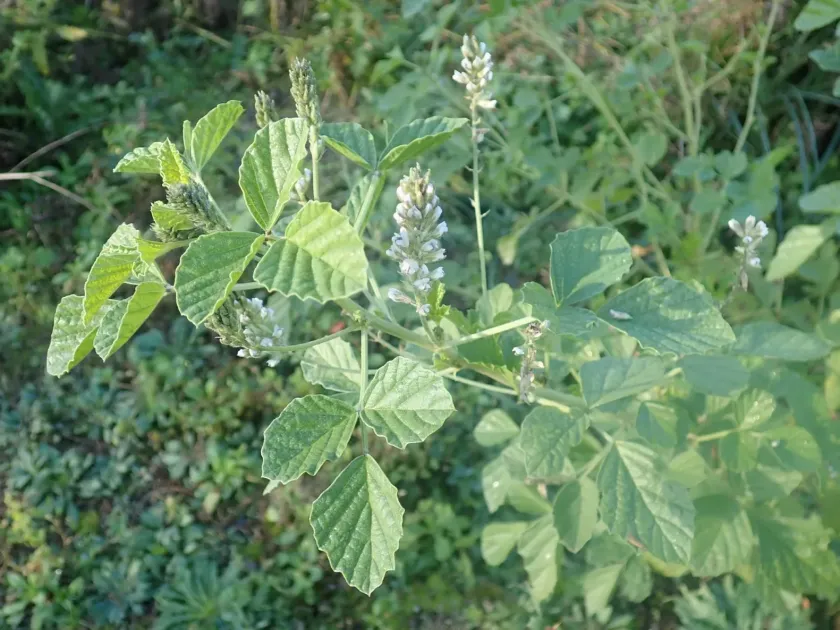
Description
Sowing dates
The sowing of Cullen americanum is typically performed in the spring once the soil temperatures consistently reach 12–15°C to ensure rapid germination.
Selecting a well-prepared seedbed with fine soil structure is crucial for achieving high germination rates and uniform crop density.
The recommended seeding rate is between 12 and 15 kg per hectare, depending on local climate conditions and the fertility levels of the field.
Seeds should be planted at a depth of 2 to 4 cm to protect them from dehydration while allowing sufficient light for the emergence of young sprouts.
Early spring planting takes advantage of residual soil moisture, reducing the need for irrigation during the initial establishment phase of the crop.
Growing requirements
Cullen americanum is a hardy member of the Fabaceae family, known for its ability to fix atmospheric nitrogen and enrich soil fertility.
The plant thrives in well-drained sandy loam or light clay soils and exhibits a high tolerance for alkaline or slightly saline conditions.
Full sun exposure is a mandatory requirement, as the species shows poor competitive ability under shaded conditions or heavy weed pressure.
Its deep taproot system allows it to withstand significant droughts, making it a reliable forage option in regions with unpredictable rainfall patterns.
Optimal growth occurs in temperate environments, although the plant has shown remarkable adaptability to various thermal and moisture regimes.
Yield
Under optimal management practices, Cullen americanum can yield between 20 to 35 tons of green biomass per hectare per growing season.
The production of high-quality dry hay can reach 6 to 9 tons per hectare, providing essential protein content for livestock diets.
Productivity peaks during the second and third years after establishment, as the root system becomes fully developed and capable of supporting vigorous growth.
Strategic nitrogen and phosphorus application can further enhance total yield, especially on marginal soils where nutrient availability is limited.
Managing the harvesting schedule is vital to maintaining yield consistency, as premature or delayed mowing can impact future regrowth cycles.
Main diseases and pests
Nodule weevils are among the primary insect pests, capable of inflicting damage on young seedlings and reducing nitrogen fixation efficiency.
Fungal diseases like anthracnose and various types of mildew may occur if planting density is too high or if the field lacks adequate air circulation.
Aphids can cause significant stress by feeding on plant sap and transmitting viruses, which often necessitates early detection and management.
Effective weed control during the establishment phase is essential, as the crop is susceptible to competition from fast-growing weeds during its infancy.
- Rotating crops to break the lifecycle of soil-borne pests.
- Regular field monitoring for early signs of infestations.
- Applying integrated pest management (IPM) strategies to minimize chemical usage.
Harvesting
Harvesting for green fodder should be timed to coincide with the full bloom stage to ensure the highest concentration of nutritional components.
When producing hay, mowing should occur before seed set to ensure the stem and leaf tissues remain digestible and palatable for livestock.
Maintaining a stubble height of at least 8–10 cm is critical to allow for rapid regrowth and to preserve the plant's health for subsequent cuts.
Proper field drying of the cut material is necessary to reach moisture levels below 18% to prevent spoilage and nutrient loss during storage.
Efficient harvesting machinery helps preserve the leaves, which are the most nutrient-dense part of the plant and highly prone to shattering.