
Cullen cinereum
Cullen cinereum
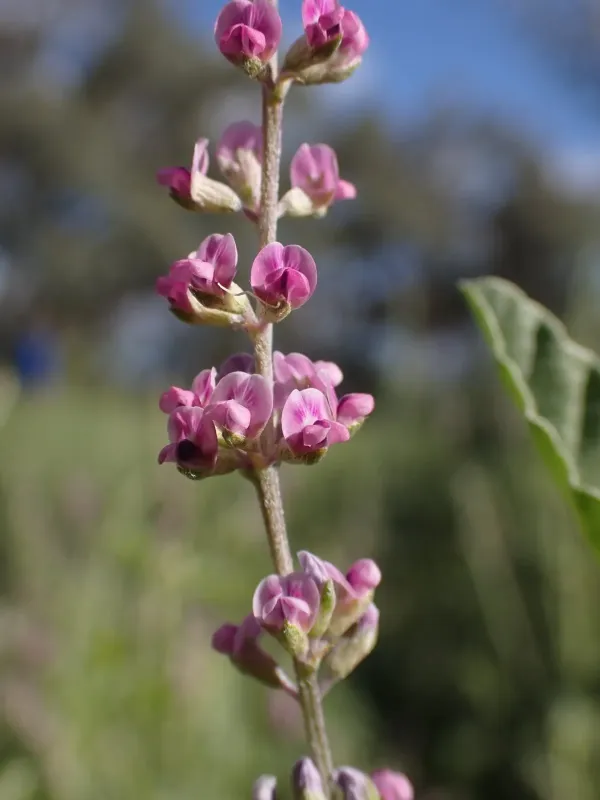
Description
Sowing dates
Sowing of Cullen cinereum is ideally performed during periods of soil moisture availability to ensure successful germination and early seedling establishment.
The seeds require a specific temperature range to break dormancy effectively, which often mirrors the seasonal shifts in its natural native range.
Scarification is a recommended pre-sowing practice to overcome the physical dormancy of the seed coat, thereby improving overall emergence rates.
Seeding depth should remain shallow, typically within the range of 1 to 2 centimeters, allowing the seedling to reach the soil surface quickly.
Optimal spacing is necessary to minimize intra-species competition, which is crucial for the development of robust, high-yielding mature plants.
Growing requirements
Cullen cinereum is a member of the Fabaceae family, highly valued for its natural adaptation to semi-arid environments where other crops fail.
The plant thrives in well-drained soil profiles, including sandy and loamy types, provided there is minimal risk of prolonged waterlogging.
High sunlight exposure is a fundamental requirement for photosynthesis and the successful accumulation of biomass in this leguminous species.
The crop exhibits significant drought tolerance, attributed to its deep root system that facilitates moisture uptake from lower soil layers.
Fertility requirements are relatively modest, as the plant can contribute to nitrogen fixation through symbiotic associations with soil bacteria.
Yield
Yield potential of Cullen cinereum is primarily determined by the availability of moisture during the vegetative growth phase of the plant cycle.
Under optimal management, the plant provides consistent biomass production suitable for grazing livestock or as supplemental forage material.
The nutritional value of the foliage is high, particularly in terms of protein content, making it an excellent candidate for pasture improvement.
Consistent harvest management is required to maintain the longevity of the stand, as overgrazing can lead to a decline in regrowth potential.
Productivity levels can be enhanced through balanced nutrient management, specifically ensuring sufficient levels of phosphorus in the soil.
Main diseases and pests
Root rots are the most significant threats to the crop, often triggered by poor drainage conditions that promote pathogen development.
Insect pests, including various aphids and leaf-eating beetles, may occasionally cause economic damage to the canopy during favorable growing seasons.
Fungal leaf spots can develop when environmental conditions shift toward high humidity, stressing the plant's natural defense mechanisms.
Weed management remains critical during the seedling stage to prevent competition for essential nutrients and limited water resources.
Integrated pest management strategies focusing on early detection and appropriate cultural practices are the most effective ways to mitigate threats.