
Cullen corylifolium
Cullen corylifolium
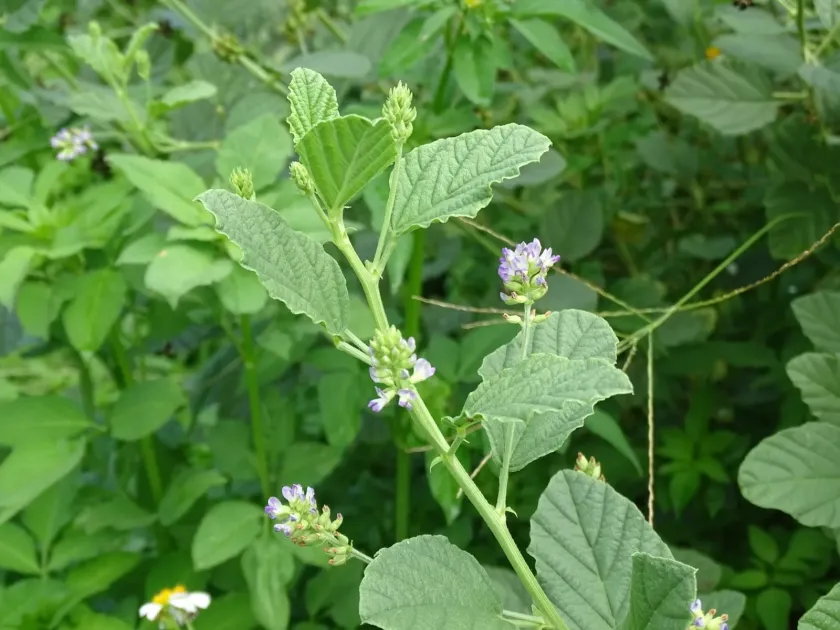
Description
Sowing dates
The sowing of Cullen corylifolium, commonly known as Bakuchi, typically takes place in the spring season once soil temperatures consistently reach 15–20 degrees Celsius. Optimal planting timing is critical to ensure a long enough growing season for full maturation.
Seeds of this plant have a hard seed coat, which necessitates pre-sowing treatments such as scarification to improve germination rates. Ensuring that moisture can penetrate the seed coat allows for faster and more uniform seedling emergence.
Farmers usually plant these seeds in rows, maintaining sufficient spacing to allow each plant to develop a healthy root system. The seeds are generally sown at a depth of 1–2 centimeters, covered with loose, fertile soil to protect them from environmental fluctuations.
Thinning is an essential post-germination practice, where stronger plants are left at proper intervals to promote vigor. Proper spacing is vital to avoid overcrowding, which can hinder the plant's development and reduce overall yield potential.
High-quality seeds should be selected based on their viability and adaptability to local climate conditions. Ensuring adequate soil moisture during the initial weeks of development is key to establishing a robust crop stand.
Growing requirements
Cullen corylifolium is a member of the Fabaceae (legume) family and originates from tropical and subtropical regions. It thrives in warm climates that provide high levels of solar radiation, which is essential for the accumulation of active compounds.
The crop prefers well-drained, fertile loamy soils with a pH ranging from neutral to slightly acidic. Poor drainage or waterlogged conditions are highly detrimental to the plant, often leading to root rot and other moisture-related diseases.
Sunlight is a major requirement, as the plant is heliophilic. Exposure to direct sunlight for the majority of the day is necessary to maximize biomass production and the development of essential oils within the seeds.
Although the plant exhibits moderate drought tolerance, regular irrigation is required during the flowering and seed-setting phases. Consistent water availability during these critical periods significantly improves the final yield and quality of the harvest.
Applying balanced fertilizers, particularly those rich in phosphorus and potassium, encourages stronger stems and better seed development. Organic compost can be used during land preparation to enhance the soil's structure and nutrient retention capacity.
Main diseases and pests
Fungal infections, particularly root rot, represent the most significant threat to Cullen corylifolium crops. These issues are most frequent in areas with poor drainage or during prolonged periods of excessive humidity or rainfall.
Powdery mildew can also affect the plant, manifesting as white patches on leaves. Proper ventilation within the field and the use of approved fungicides are common management strategies to mitigate the impact of such fungal diseases.
Insects like aphids and spider mites may target the plants, especially during the vegetative growth phase. Regular scouting of the field allows for early intervention, often using biological controls to protect the crop without compromising the purity of the medicinal material.
Defoliating insects can occasionally cause damage, reducing the plant's photosynthetic surface area. Monitoring populations and utilizing integrated pest management practices are essential to keep these populations below the economic threshold of damage.
Crop rotation remains the most effective prophylactic measure against soil-borne pathogens. Rotating Cullen corylifolium with cereals or other non-leguminous crops helps break the lifecycle of specific pests and improves overall soil health.
Harvesting
Harvesting Cullen corylifolium occurs when the seeds reach full physiological maturity, indicated by a change in fruit color to a dark, characteristic shade. Precise timing is required to prevent pre-harvest loss caused by natural seed shattering.
The harvesting process generally involves mowing the aerial parts of the plant during dry, clear weather. The harvested biomass is then placed in well-ventilated areas to undergo a drying process before the threshing stage begins.
Threshing is performed using mechanical equipment, such as combines or specialized stationary threshers. It is important to adjust the machinery carefully to avoid crushing the seeds, as their chemical integrity is highly valued in the pharmaceutical industry.
Post-harvest cleaning is necessary to remove debris and foreign material from the seed batch. The goal is to reach a moisture level of 10–12%, which is optimal for long-term stability and storage of the valuable phytochemicals found in the seeds.
Final storage should be in cool, dark, and dry conditions to prevent oxidation or fungal contamination. Proper packaging in breathable containers helps maintain the shelf life and quality of the seeds intended for medicinal processing.