
Fragile bellflower
Campanula fragilis Cirillo
Description
Growing requirements
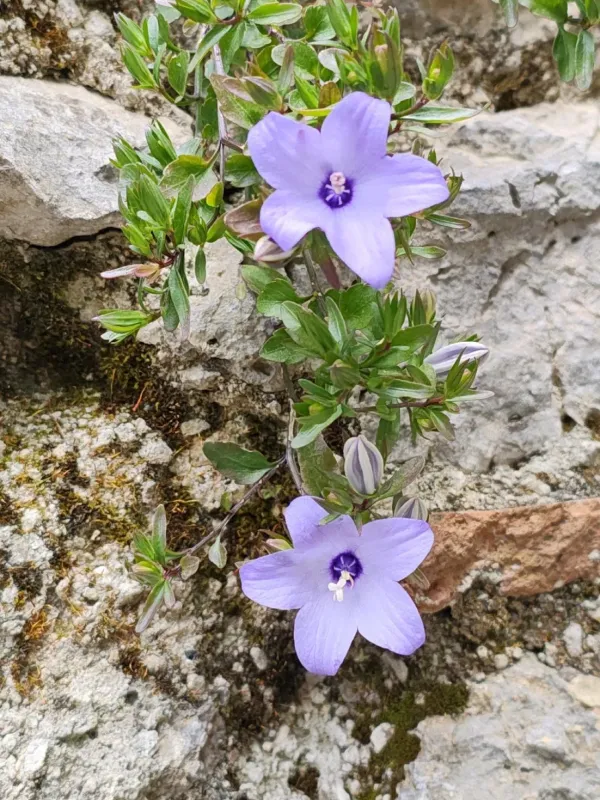
Fragile bellflower (Campanula fragilis) is a perennial herbaceous plant belonging to the Campanulaceae family. In professional horticulture, it is recognized as a significant ornamental species, highly prized for its sprawling habit and delicate, star-shaped flowers that bloom profusely during the growing season.
The native habitat of this species is confined to the rocky mountain ranges of Italy and Sicily. In agricultural and horticultural practices, it is cultivated globally in regions with suitable temperate conditions, often serving as a primary choice for rock gardens, container displays, and wall plantings.
Optimal growth requires light, alkaline, and exceptionally well-drained soil. As the plant is sensitive to moisture stagnation, proper site selection and soil preparation are essential, involving the integration of grit or coarse sand to facilitate drainage and prevent root rot.
Climatic requirements focus on a balance of bright, indirect sunlight. While the plant thrives in cooler temperatures ranging from 18 to 24°C, it requires protection from intense midday sun, which can dehydrate its foliage and suppress flower production, leading to premature wilting.
The primary horticultural application of the Fragile bellflower is aesthetic enhancement of outdoor spaces. It is frequently employed in landscape design for terracing and creating naturalistic, low-maintenance ground covers that adapt well to confined spaces like cracks in stone or small containers.
Main diseases and pests
The plant is susceptible to various fungal pathogens, primarily those triggered by excessive humidity or poor ventilation. Powdery mildew and root rot are the most common issues that necessitate the use of systemic fungicides and improved aeration to maintain plant vigor.
Pest threats include slugs and snails, which can cause severe damage to the foliage during periods of high humidity. Additionally, spider mites and aphids may infest the plants under indoor or greenhouse conditions, requiring targeted insecticide applications to prevent structural damage to the stems.