
Carpathian bellflower
Campanula carpatha Halacsy
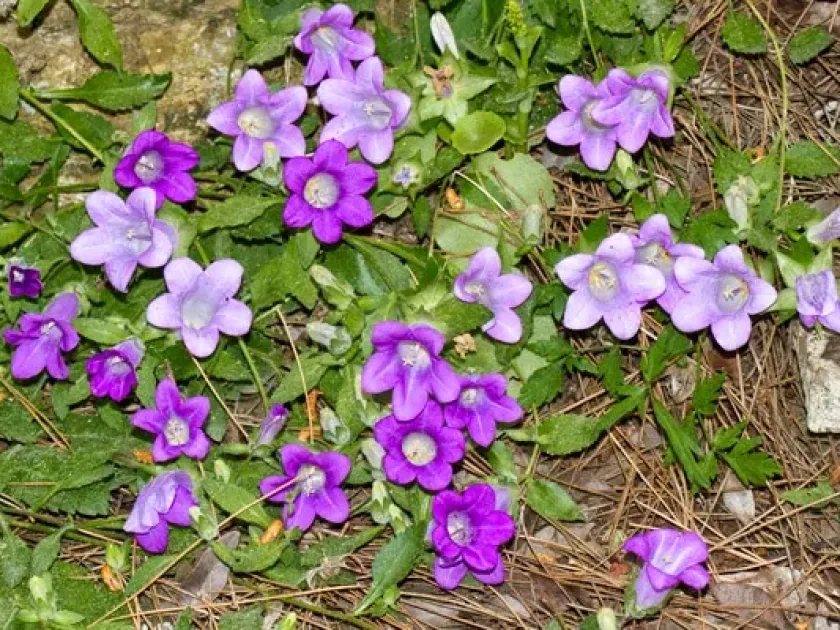
Description
Sowing dates
The Carpathian bellflower (Campanula carpatica) is a herbaceous perennial member of the Campanulaceae family, highly valued for its striking blue or white cup-shaped blossoms. Propagation is typically achieved through seeds started indoors in late winter or early spring.
Due to the tiny size of the seeds, they should be surface-sown onto high-quality moist compost without covering them with soil. Providing consistent warmth around 20 degrees Celsius is essential for optimal germination rates.
Transplanting the seedlings into individual pots once they develop true leaves ensures the development of a robust root system. This hardening-off process is crucial before transitioning the plants to their final outdoor location.
Outdoor planting occurs when the threat of late spring frosts has passed. The plants prefer well-draining soil and a sunny or partially shaded site to display their full blooming potential during summer months.
Spacing should be roughly 25 to 30 centimeters apart to prevent overcrowding. Proper spacing allows for adequate airflow, which is critical for maintaining the health of the dense, low-growing foliage mounds.
Growing requirements
Carpathian bellflowers thrive in fertile, well-draining soils with a neutral or slightly alkaline pH. Drainage is the most important factor, as the species is highly susceptible to root rot if left in standing water.
While the plants prefer sunny positions, they benefit from light afternoon shade in regions with intense summer heat. This help prevents the soil from drying out too quickly and scorching the delicate leaves.
Irrigation should be consistent but moderate. During peak summer, the plants require regular watering, ensuring the soil remains moist but never waterlogged to avoid fungal complications.
A balanced fertilizer applied once in early spring supports healthy vegetative growth. Mid-season, a booster with higher potassium levels encourages more prolific and longer-lasting flowering cycles.
Deadheading spent flowers is a standard practice in professional cultivation. Removing faded blooms redirects the plant's energy toward new growth and extends the overall flowering display significantly.
Main diseases and pests
Powdery mildew and various leaf spot diseases are common concerns, particularly when plants are grown in areas with poor ventilation or high humidity levels. Preventive measures include proper spacing and foliage management.
Root rot, induced by heavy, waterlogged soils or excessive irrigation, is the most common lethal threat to this species. Providing excellent drainage during the initial planting stage is the best prevention.
Slugs and snails find the young, succulent leaves of the Carpathian bellflower particularly appetizing. Integrating physical barriers or biological control methods helps keep these mollusk populations in check.
Aphids can occasionally cluster on the tender stems and buds, sapping the plant's vitality. Regular inspections allow for early intervention using insecticidal soaps or horticultural oils before major infestations occur.
Maintenance of overall plant vigor through proper nutrition and regular weed control remains the most effective strategy for ensuring the long-term health and survival of the bellflower patch.