
Clustered bellflower
Campanula glomerata L. x Campanula punctata Lam.
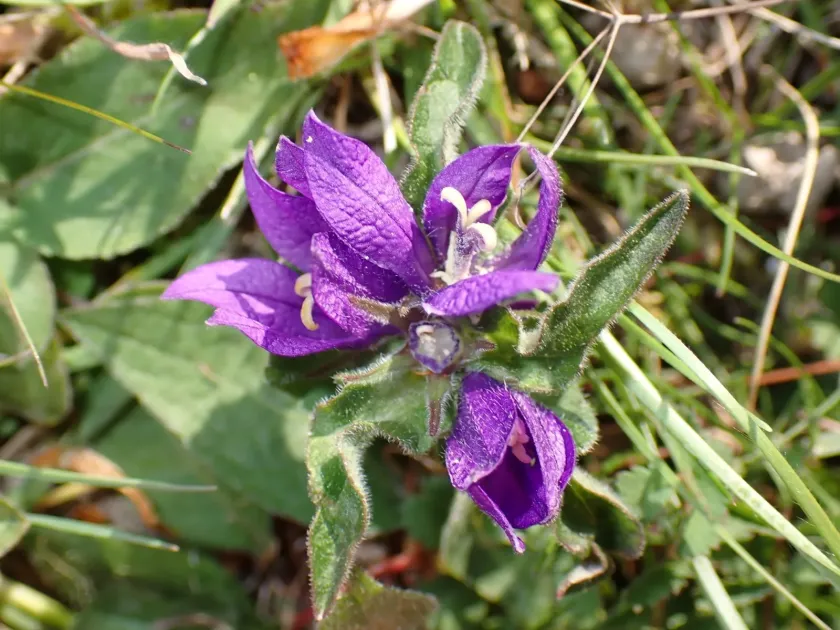
Description
Sowing dates
Seeds are typically sown outdoors during the spring months or in the autumn to benefit from natural winter stratification.
For indoor propagation, sow seeds in trays during March, pressing them lightly into the soil surface as they require light to germinate.
Germination usually takes between two to three weeks under consistent temperatures ranging from 18 to 20 degrees Celsius.
Seedlings should be transplanted to the garden once the threat of severe frost has passed and they are sturdy enough to handle.
Proper spacing is crucial to ensure good air circulation, so maintain a distance of approximately 30 to 40 centimeters between plants.
Growing requirements
This perennial thrives in full sun but can tolerate partial shade, making it a versatile choice for various garden bed arrangements.
The ideal soil is fertile, well-draining, and rich in organic matter with a neutral to slightly alkaline pH level.
Consistent moisture is essential for optimal blooming, especially during the peak summer heat when the plant forms its buds.
Avoid planting in waterlogged areas, as the roots are susceptible to rot if soil drainage is insufficient during the wet seasons.
Fertilize the plants once in the spring using balanced fertilizers to support vigorous vegetative growth and profuse flower production.
Main diseases and pests
Powdery mildew is a common fungal disease that affects foliage, particularly when plants are grown in overcrowded conditions.
Root rot occurs if the soil remains excessively wet for long periods, which can be mitigated by incorporating compost or sand.
Slugs and snails are major pests that feed on young succulent leaves, requiring manual removal or natural deterrents.
Aphids can occasionally colonize the flower stalks, causing stunted development if not managed by gentle washing or soap sprays.
Maintaining a clean garden bed by removing debris and weeds helps significantly in reducing the risk of pest and disease outbreaks.