
Campanula colorata
Campanula colorata Wall.
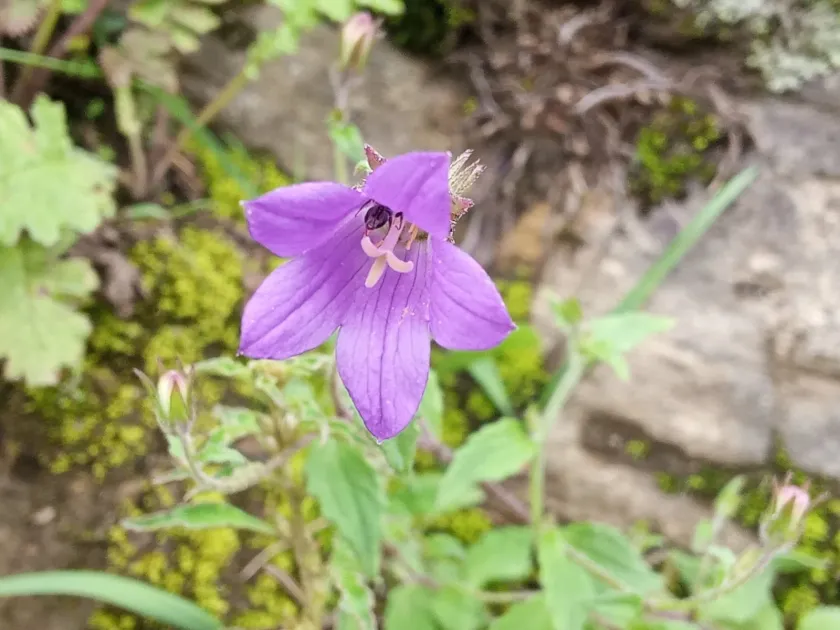
Description
Sowing dates
Sowing Campanula colorata seeds is typically performed in early spring once soil temperatures are consistently above freezing. In milder climates, autumn sowing is also practiced to allow for natural seed stratification.
For container-grown seedlings, start seeds in late winter using a lightweight, peat-based potting mix. Seeds require light to germinate, so they should be surface-sown and only lightly pressed into the soil.
Maintain temperatures between 18–20 degrees Celsius to encourage germination. A humidity dome or plastic cover can help keep moisture levels steady until the first true leaves emerge from the soil.
Prick out the seedlings once they have developed at least two pairs of true leaves. This allows for better root development and prepares the young plants for their eventual transplantation into the garden.
Transplanting into the permanent garden site should occur only after the risk of frost has passed. Ensure each plant has sufficient spacing to facilitate adequate root expansion and leaf growth.
Growing requirements
Campanula colorata belongs to the Campanulaceae family and thrives in well-draining, moderately fertile soils. It is essential to ensure that the site does not hold standing water, as this species is sensitive to waterlogged conditions.
The plants prefer full sun to partial shade, depending on the intensity of the regional summer heat. In areas with extremely high temperatures, providing afternoon shade can prolong the flowering season.
Irrigation should be consistent but careful, targeting the root zone rather than wetting the foliage. Overwatering is the most common mistake and can lead to immediate root decline and systemic rot.
Balanced fertilization during the early growing season encourages healthy stem growth. Avoid excessive nitrogen inputs, as they can result in lush, weak foliage that is more susceptible to environmental stressors.
Winter protection, such as a layer of straw or mulch, is recommended for regions that experience significant ground freezing. This helps maintain soil temperature stability for the dormant root system.
Main diseases and pests
Slugs and snails are the primary pests that damage the foliage of Campanula colorata, especially in humid and shaded garden locations. Hand-picking or organic baits are effective methods for management.
Powdery mildew is a common fungal threat when plants are placed too closely together, preventing proper air circulation. Removing affected parts and applying fungicides can prevent further spread in the bed.
Root rot caused by Phytophthora or Pythium species is a major threat in heavy, clay-rich soils. Improving soil aeration through the addition of grit or sand is the best preventive strategy.
Aphid infestations may target the tender buds during the flowering phase. Regular inspection and the use of insecticidal soap sprays are generally sufficient to manage populations before damage becomes severe.
Nematode infestations can lead to stunted growth and yellowing of the foliage. Crop rotation and maintaining plant vigor are essential strategies to minimize the impact of these soil-borne pests over time.