
Formanek's Bellflower
Campanula formanekiana Degen & Dörfl.
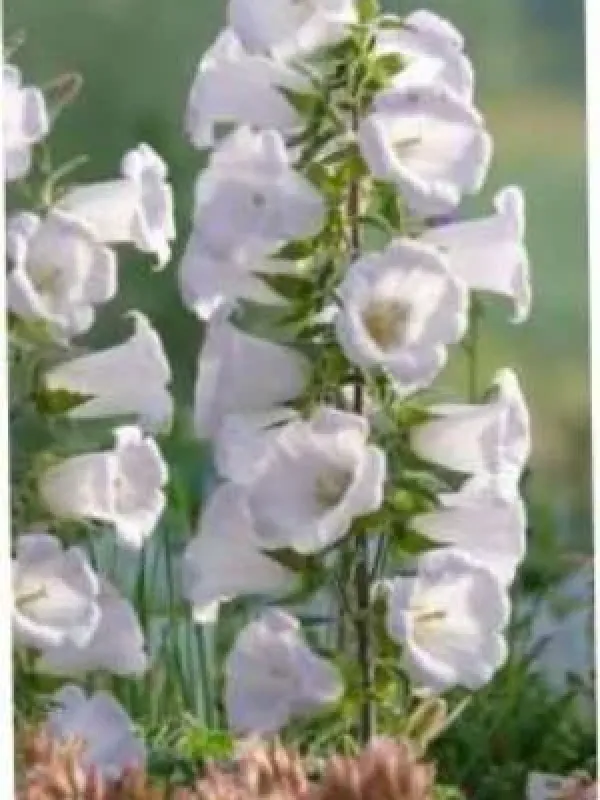
Description
Sowing dates
The sowing of Formanek's Bellflower seeds is best performed in a greenhouse or indoors during late winter or early spring, specifically in February or March. The seeds are extremely small and should not be buried, but rather pressed gently into the moist soil surface to receive light.
Cover the containers with plastic film or glass to create a stable microclimate with high humidity. Maintain a steady temperature of +18 to +20 degrees Celsius, which encourages uniform germination over the course of two weeks.
Once the seedlings develop their second pair of true leaves, they should be pricked out into individual pots. This practice promotes a strong root system, which is essential for the plant's health before it is transplanted into the open garden in late May.
Since the plant is a monocarp, it is recommended to sow new seeds every year to ensure a continuous display of flowers in your garden. This rotational approach guarantees that you will have flowering plants season after season.
When transplanting into the open soil, it is vital to keep the root ball intact to avoid unnecessary stress. The plant will establish itself best in a location that provides both protection and enough space to develop its characteristic rosette.
Growing requirements
Formanek's Bellflower, belonging to the Campanulaceae family, is a distinct species native to the mountainous regions of the Balkan Peninsula. It thrives best in locations with full sun to partial shade, especially avoiding harsh afternoon sun.
The ideal soil for this crop must be well-draining, loose, and possess a neutral to slightly alkaline pH. Clay-heavy soils should be amended with grit or sand to ensure that the water passes through quickly and does not accumulate near the roots.
This species is perfectly suited for rock gardens, stone walls, or well-drained slopes where its natural habitat conditions can be simulated. Waterlogging is the most critical factor to avoid, as it quickly leads to root rot.
Regular but moderate watering is necessary during the active growing season. While the soil should not dry out completely, it is better for the plant to experience brief periods of drought than to be left in consistently wet or muddy conditions.
Use a balanced, low-nitrogen fertilizer during the spring to support growth without causing the plant to become "leggy." A single, light application is usually sufficient to support healthy development throughout the year.
Main diseases and pests
Fungal diseases caused by excessive moisture are the primary threats to this plant. Root and collar rot can occur quickly if the soil does not drain effectively or if air circulation around the rosette is restricted.
To mitigate the risk of disease, keep the area around the plants free of weeds and ensure there is plenty of space between individual specimens. If rot is detected, systemic fungicides can be applied to stop the progression of the infection.
Slugs and snails are the most common pests, as they find the tender, succulent leaves of the bellflower highly attractive. Using physical barriers or copper tape around the planting area can help deter these mollusks effectively.
Aphids can occasionally infest the flower buds, distorting their growth and reducing the plant's aesthetic appeal. In such cases, the use of insecticidal soap or targeted horticultural oils is recommended to manage the pest population.
Routine inspection of the leaves and soil surface is the best preventative measure. By maintaining a clean growing environment and monitoring moisture levels, you can prevent most common horticultural issues associated with this species.