
Alaska bellflower
Campanula lasiocarpa Cham.
Description
Growing requirements
The Alaska bellflower (Campanula lasiocarpa) is a charming perennial species belonging to the Campanulaceae family. It is naturally adapted to the harsh conditions of high-altitude alpine meadows and arctic tundras across the Northern Hemisphere.
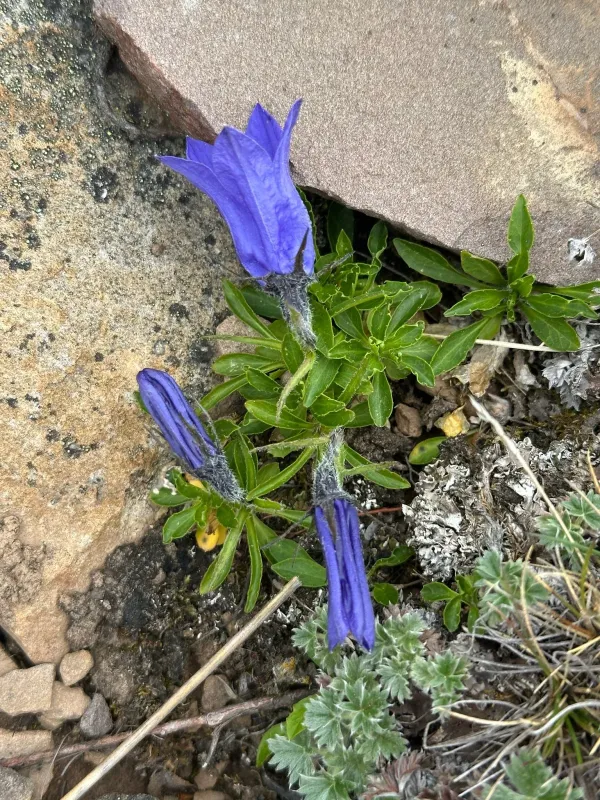
Botanically, this plant is recognized by its low-growing, mat-forming habit and its relatively large, solitary, upward-facing bell-shaped flowers that display shades of blue or violet. Its stems and ovaries are often characterized by fine hairs, which is reflected in its scientific name.
For successful cultivation, this species requires a location that mimics its natural habitat. The ideal soil should be gritty, sandy, and lean, providing excellent drainage. Neutral to slightly acidic pH levels are preferred to ensure healthy root development.
Climate requirements focus on maintaining coolness. The plant thrives in regions with cool summers and requires protection from extreme heat. In warmer climates, it should be placed in a spot with partial shade and protected from the intense afternoon sun.
Economically, the plant is primarily utilized in ornamental horticulture. It is a highly sought-after specimen for alpine rock gardens, trough gardens, and specialized collections, valued for its unique mountain aesthetic and resilience to cold temperatures.
Main diseases and pests
The main threat to the health of Campanula lasiocarpa is poor drainage leading to crown rot. Overwatering, especially during periods of high humidity or excessive heat, can quickly lead to systemic fungal infections that destroy the plant from the roots up.
Slugs and snails are the most significant invertebrate pests, capable of grazing down the foliage and buds within a single night. Implementing physical barriers like crushed rock or using organic slug pellets is recommended to maintain the integrity of the garden display.