
Milky bellflower
Campanula lactiflora M. Bieb.
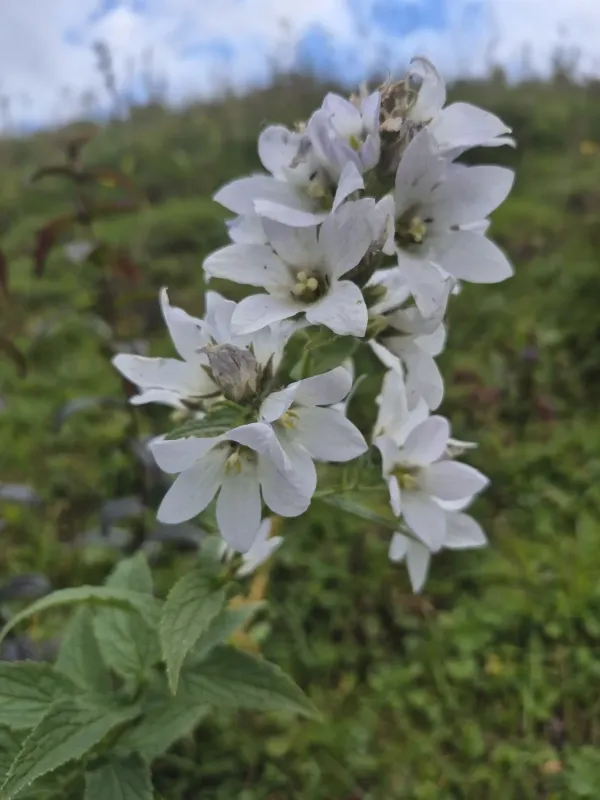
Description
Sowing dates
Sowing seeds of Campanula lactiflora is typically performed in spring or autumn. The seeds are extremely small, requiring surface sowing; they should be pressed gently into the moist soil without being covered with heavy layers of substrate, as light is essential for germination.
For indoor propagation, seeds should be sown in trays during March. It is crucial to cover the trays with glass or plastic film to maintain constant humidity levels, as the seedlings are highly sensitive to drying out during their initial development stages.
Pricking out the seedlings should be done carefully after the first true leaves appear. Because the plant develops a significant taproot, minimizing mechanical stress to the roots during transplantation is vital for ensuring subsequent establishment and healthy growth.
Transplanting into the garden bed should take place after the danger of frost has passed, usually in late May. The plants require ample spacing, approximately 40–60 cm, to allow for the significant lateral spread of mature specimens as they establish themselves.
Direct sowing in the garden requires a well-prepared seedbed with a fine tilth. Success depends on maintaining consistent moisture in the upper soil layer; using a misting spray is recommended to avoid washing away the fine seeds while keeping the soil consistently damp.
Growing requirements
This species thrives in full sun or light shade, particularly in regions with intense summer heat. It demands deep, fertile, and well-drained loam soil with a neutral to slightly alkaline pH level to reach its full decorative potential.
Proper drainage is the most critical factor for success with this plant. It cannot tolerate waterlogged soils, especially during winter months, as excess moisture leads to crown rot and premature death of the perennial rootstock.
Regular watering is necessary during the active growing season, especially during hot and dry spells. Applying organic mulch, such as compost or well-rotted leaf mold, around the base of the plant helps retain soil moisture and suppresses weed growth.
Feeding the plants with a balanced, slow-release fertilizer during the onset of the growing season and again before flowering promotes vigorous growth. Avoid excessive nitrogen applications, which can result in weak stems that are prone to lodging.
Given that some cultivars can grow up to 1.5 meters tall, staking is often required for support. High-quality supports are necessary to prevent the heavy inflorescences from collapsing during periods of rain or strong winds, ensuring the plant remains upright.
Main diseases and pests
Powdery mildew is a common fungal threat, especially in humid and poorly ventilated gardens. Maintaining proper plant spacing and ensuring good airflow around the foliage are primary cultural measures to reduce the risk of infection.
Root rot, including Fusarium, can occur in poorly drained conditions. If signs of wilting appear despite adequate watering, the plant may already be compromised; infected specimens should be removed along with the surrounding soil to stop the spread.
Slugs and snails can cause significant damage to the foliage during the spring. Implementing integrated pest management strategies, such as physical barriers or approved organic molluscicides, is essential to protect young shoots from being devoured.
Aphids occasionally infest the developing buds, sucking the sap and causing distorted flowers. Systemic insecticides may be used, though monitoring and manual removal are often effective if the infestation is detected in its early stages.
Proactive garden sanitation, including the removal of all dead plant material in late autumn, is the best way to prevent the overwintering of pathogens and pests, thereby ensuring a healthier start to the following growing season.
Harvesting
Milky bellflower is primarily used for landscaping and as a high-quality cut flower. For maximum vase life, stems should be harvested when at least half of the buds on the inflorescence have opened, ensuring long-lasting color in floral arrangements.
After the main flowering period, cutting the stems back to within 10 cm of the ground is recommended. This practice directs the plant's energy reserves into the roots, improving winter hardiness and preparing it for the next season's growth.
Seed harvesting should occur when the seed pods turn brown but before they split open. Using a paper bag to enclose the pods during the drying process ensures that all seeds are captured, preventing unwanted self-seeding in the garden.
Commercial growers should handle the cut flowers with care, avoiding exposure to direct sunlight immediately after harvest. Stems should be placed in clean, cool water with a floral preservative to maintain turgor and extend the marketability of the product.
Regular maintenance, including the removal of spent flowers, not only improves the appearance of the garden but also prevents the plant from wasting resources on seed production, keeping the perennial clumps healthy and vigorous for years to come.