
Blackstonia
Blackstonia
Blackstonia is a genus of annual herbaceous plants belonging to the Gentianaceae family. In their natural habitat, these plants are primarily found in the Mediterranean region and Western Europe, favoring open areas with calcareous soils.
What the section contains


Blackstonia
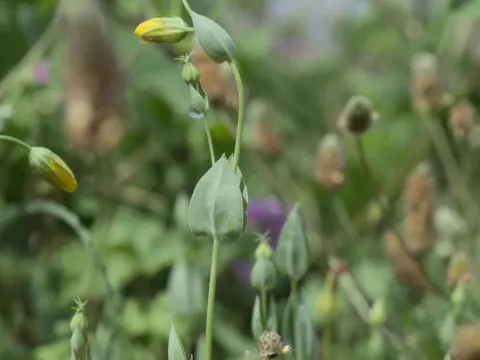
The plant is characterized by opposite leaves that often fuse at the base, surrounding the stem. The flowers possess a bright yellow color and open exclusively in sunny weather, making them highly sensitive to light intensity levels.
For successful cultivation, Blackstonia requires high light intensity and well-drained, preferably alkaline soils. It does not tolerate waterlogging, so selecting a site with proper soil aeration is a critical factor for the development of its root system.
In the wild, Blackstonia grows in nutrient-poor soils, which determines its low requirement for intensive mineral fertilization. An excess of nitrogen in the soil can lead to stunted growth and a reduction in the plant's aesthetic qualities.
The economic significance of the genus is currently limited to ornamental gardening and landscape design, where it is used to create compositions in a Mediterranean style. The plant is valued for its natural beauty and ability to adapt to rock garden environments.
Typical threats to Blackstonia development include fungal diseases of the root system, caused by excessive moisture and poor drainage. In high humidity conditions, plants are susceptible to root rot.
Among pests, leaf-eating insects and aphids pose the greatest danger, as they may infest young shoots during the active growth period. Monitoring plant health at the start of the season allows for timely prevention of widespread infestation.
Violation of agricultural practices, specifically overcrowding, creates a favorable environment for the spread of powdery mildew. Ensuring natural air circulation between individual plants significantly reduces the risks of pathogen infection.
An important part of protection is controlling weeds during the initial stages of Blackstonia development. As an annual with a relatively slow start, the crop is sensitive to competition from aggressive weeds.
Preventive measures include the use of high-quality disinfected seed material and maintaining moderate moisture levels. Chemical protection agents should be applied with caution, strictly adhering to dosages to avoid damaging the delicate foliage.