
Blackstonia acuminata
Blackstonia acuminata
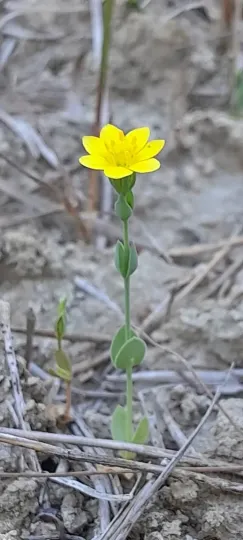
Description
Growing requirements
Blackstonia acuminata is a species of flowering plant belonging to the Gentianaceae family. As an annual, it typically colonizes damp, calcareous, or clay-based environments in its native range.
Successful cultivation requires high light intensity and well-drained, lime-rich soil. It is particularly sensitive to soil compaction and waterlogging, making proper drainage management a priority for successful crop establishment.
The plant thrives in moderate climates where temperatures remain stable throughout the growing season. Excessive heat can cause early flowering and reduced vegetative mass, affecting the potential harvest of the raw material.
From an agronomic perspective, pH management is essential. Soil testing is recommended to ensure the substrate remains neutral or slightly alkaline, which is vital for the health of the Gentianaceae family.
The plant is highly valued for its secondary metabolites, specifically bitter compounds used in herbal preparations. Field trials indicate that controlled irrigation is better than flood irrigation for maintaining plant vigor.
Main diseases and pests
The primary threats to Blackstonia acuminata are fungal pathogens, specifically those causing root rot. Excessive moisture combined with high humidity often creates ideal conditions for these outbreaks.
Pest pressure from aphids and spider mites can be significant during dry spells. These pests damage the foliage, leading to a direct decrease in the quality of the harvested medicinal product.
Weed management remains the most labor-intensive part of the cultivation process. Because the plant has a slow initial growth rate, mechanical weeding is required to protect the seedlings from being overshadowed.
To mitigate fungal risks, planting density should be carefully monitored to ensure adequate air circulation between rows. Overcrowding frequently leads to rapid disease transmission.
Farmers should implement a strict monitoring schedule for early detection of pests. Early application of appropriate treatments is necessary to prevent significant yield losses during the pre-harvest phase.