
Bavarian gentian
Gentiana bavarica
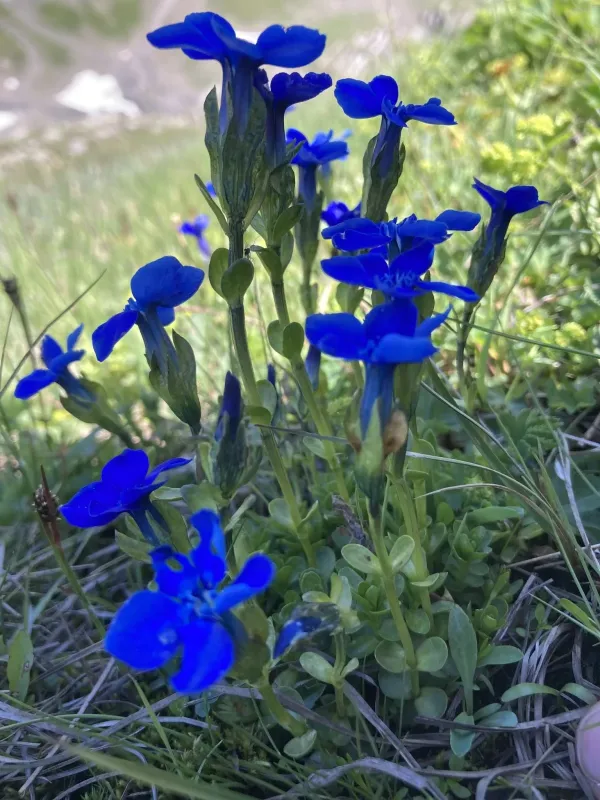
Description
Sowing dates
Bavarian gentian seeds require a period of stratification to break dormancy. Sowing should ideally occur in late autumn, allowing the natural winter cold to prepare the seeds for spring germination.
Indoor sowing involves placing the seeds in a moist substrate and keeping them in a refrigerator at temperatures between 0 and 5 degrees Celsius for several weeks before moving them to a warmer, bright location.
The seeds are minute and must be surface-sown on a sterile, fine-textured medium. Light pressure is sufficient to ensure good contact with the substrate; they should not be covered with a deep layer of soil.
Maintaining high humidity around the seed tray is essential for success. Using a clear plastic cover or a misting system helps keep the environment stable during the slow germination process.
Pricking out seedlings must be done with extreme caution. The root systems are delicate and fragile, meaning that minimal disturbance is key to ensuring the young plants survive the transplanting phase.
Growing requirements
The Bavarian gentian is a perennial herbaceous plant belonging to the Gentianaceae family. It is native to the high-altitude calcareous meadows of Europe, thriving in cool, moist, and well-drained environments.
Climatic requirements are specific: the plant demands cool summers and high atmospheric humidity. It struggles in hot, dry environments, which can lead to rapid wilting and eventual death of the plant.
Soil must be constantly moist but must also feature high drainage capacity. Stagnant water around the roots is detrimental and often leads to root rot, especially during periods when the plant is not actively growing.
Bright, dappled light is preferred over direct, intense sunlight. In regions with harsh sun, provide partial shade to protect the plant from overheating, particularly during the middle of the day.
Integrating fine gravel or limestone chips into the growing medium helps manage the moisture levels around the collar of the plant and creates a more natural, stable environment for its development.
Main diseases and pests
Fungal diseases, specifically root and crown rots, are the primary threat to the health of the Bavarian gentian. These often occur due to poor drainage or excessive moisture combined with low air circulation.
Slugs and snails are major pests that feed on the tender foliage and flowering stalks of the plant. Regular monitoring and the use of physical barriers are effective strategies for managing these infestations.
Aphids can cause significant damage by attacking the developing buds and young shoots. If spotted, they should be treated promptly with insecticidal soaps or appropriate biological pest control measures.
Root-knot nematodes can weaken the plant by feeding on the root system. Using fresh, sterile potting soil is the best preventative measure against these soil-borne pests in rock garden settings.
Leaf spot infections are common when plants are kept in environments with poor airflow. Ensuring that the foliage stays dry and that the planting site has good ventilation significantly reduces the risk of these issues.