
Aylostera
Aylostera
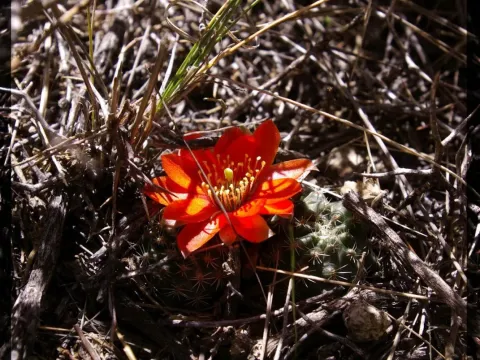
Aylostera is a genus of small, clustering cacti belonging to the Cactaceae family. Often associated with the genus Rebutia, these plants are recognized by botanists for their distinct floral structure and habit of blooming profusely from the base or lower parts of the stem.
What the section contains
 Aylostera albiflora
Aylostera albiflora
Aylostera albiflora
 Aylostera albopectinata
Aylostera albopectinata
Aylostera albopectinata
 Aylostera atrovirens
Aylostera atrovirens
Aylostera atrovirens
 Aylostera deminuta
Aylostera fiebrigii
Aylostera fiebrigii
Aylostera flavistyla
Aylostera flavistyla
Aylostera deminuta
Aylostera deminuta
Aylostera fiebrigii
Aylostera fiebrigii
Aylostera flavistyla
Aylostera flavistyla
 Aylostera fulviseta
Aylostera muscula
Aylostera muscula
Aylostera fulviseta
Aylostera fulviseta
Aylostera muscula
Aylostera muscula
 Aylostera pulvinosa
Aylostera pulvinosa
Aylostera pulvinosa
 Aylostera pygmaea
Aylostera pygmaea
Aylostera pygmaea
Aylostera
Native to the high-altitude regions of Bolivia and Argentina, these cacti have adapted to extreme environmental conditions. Their natural habitat consists of rocky, well-draining slopes where they endure significant temperature fluctuations between day and night throughout the year.
The morphology of Aylostera features globose to cylindrical stems covered with dense or sparse spines. They are particularly valued in horticulture for their vibrant, funnel-shaped flowers that bloom in shades of orange, red, yellow, or pink, often covering the entire plant in spring.
Success in cultivating Aylostera requires a highly porous mineral-based potting mix. Standard cactus composts should be amended with perlite, pumice, or sharp grit to ensure rapid drainage, as the species is highly susceptible to root rot if left in standing water.
Light requirements are intense; these plants thrive in full sun, which is necessary to maintain compact growth. During the winter dormancy period, the plants should be kept dry and in a cool environment (approximately 5–10°C) to stimulate future blooming success.
Common pests affecting Aylostera include spider mites, which thrive in dry conditions and can cause disfigurement to the epidermis. Mealybugs are another recurring issue, often nesting deep within the axils of the tubercles where they are difficult to detect.
Fungal pathogens and root rot are the primary health risks, almost always caused by improper irrigation habits. Maintaining good air circulation and preventing water accumulation in the potting substrate are the most effective preventive measures against these ailments.