
Arthrocereus
Arthrocereus
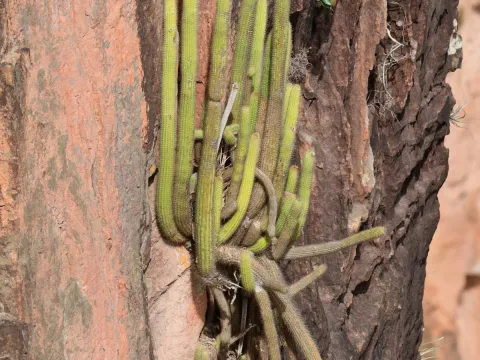
Arthrocereus is a genus of cacti belonging to the Cactaceae family, native primarily to the Brazilian states of Minas Gerais and Goias. These plants are recognized for their segmented, often elongated stems and their adaptation to specialized rocky substrates in their native environment.
What the section contains

Arthrocereus
Cultivation of Arthrocereus requires a specific approach to soil composition. A mineral-based substrate that provides rapid drainage is essential, as the roots are highly susceptible to rot when kept in damp, heavy conditions. The addition of coarse sand, pumice, or perlite to the potting mix is highly recommended.
Lighting requirements are strictly defined: Arthrocereus thrives in bright, filtered light. While they can tolerate some direct sun, exposure to intense midday heat in arid climates may result in epidermis discoloration or damage, necessitating the use of light shading during the peak of summer.
Temperature management is crucial for the healthy development of this culture. During the growing season, a temperature range of 20°C to 28°C is ideal. A distinct dormant period during winter, with temperatures dropping to 10°C–15°C, is necessary to trigger proper blooming cycles.
The primary use of Arthrocereus is within botanical collections and specialty greenhouse cultivation. Due to the beauty of their flowers and the unique morphological structure of their stems, they are highly regarded by horticulturists focused on rare succulent species.
Root mealybugs pose a significant threat to Arthrocereus, often infesting the root system and remaining undetected until the plant shows visible signs of decline. Routine inspections and soil treatments with systemic insecticides are effective control measures.
Fungal pathogens, particularly those causing stem rot, are the most severe threat to the physical integrity of the plant. These often manifest following periods of excessive soil moisture or prolonged atmospheric humidity without sufficient ventilation.
Spider mites represent another common issue, especially in greenhouse environments with low humidity. These pests feed on the surface tissue, leaving behind unsightly scarring and making the plant vulnerable to secondary infections.
Integrated pest management, including regular monitoring and maintaining optimal environmental conditions, remains the best defense. Avoidance of overhead watering helps in keeping the stem surface dry, which is a major factor in preventing rot.
Sanitation practices are essential when working with Arthrocereus. All tools used for pruning or propagation should be disinfected to prevent the spread of viral or bacterial pathogens between individual plants in a collection.