
Arthrocereus glaziovii
Arthrocereus glaziovii
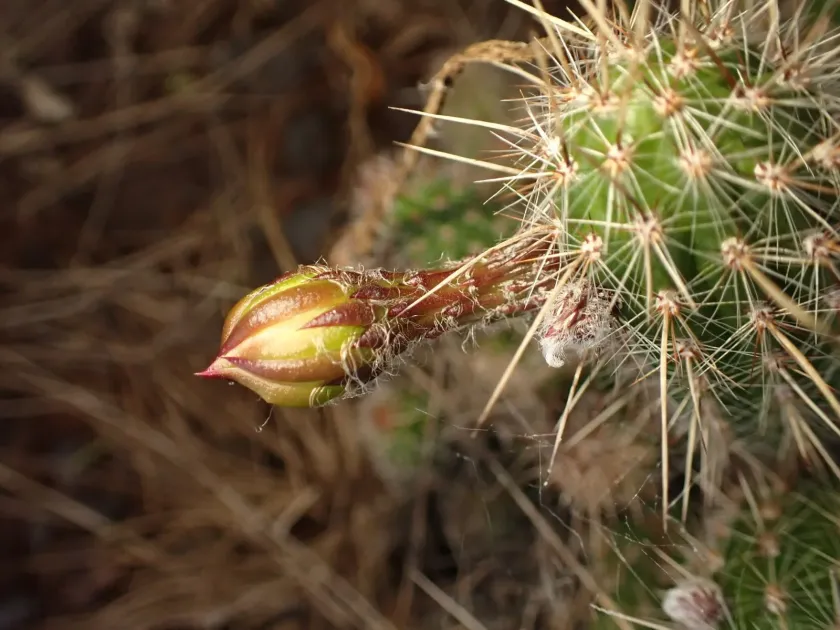
Description
Growing requirements
Arthrocereus glaziovii is a distinctive member of the Cactaceae family. Native to the Brazilian highlands, this species has evolved in rocky, well-draining environments, which dictates its specific needs in a controlled agricultural or horticultural setting.
The plant features slender, jointed stems that exhibit a unique growth habit compared to more common columnar cacti. This morphology is an adaptation to its natural habitat, allowing the plant to store significant reserves of water and nutrients effectively.
Cultivation requires a mineral-rich, highly porous substrate to ensure optimal root health. A blend of grit, volcanic rock, and minimal organic matter is highly recommended to prevent any form of water stagnation, which is detrimental to the species.
Light intensity plays a critical role in the development of Arthrocereus glaziovii. While it appreciates high light levels to maintain its structure and coloration, it requires protection from harsh midday sun to prevent epidermal damage.
The climate requirements include a period of active growth during warm seasons and a mandatory cooling period during winter. Maintaining temperatures between 12°C and 15°C during the dormant phase is essential for flower induction and long-term health.
Main diseases and pests
The primary threats to Arthrocereus glaziovii are fungal pathogens, specifically those causing root and stem rot. These issues are almost exclusively linked to poor drainage or excessive atmospheric humidity coupled with low temperatures.
Pest management is focused on controlling common succulent parasites such as spider mites and mealybugs. These insects exploit the crevices of the jointed stems, making early detection and manual inspection essential for successful control.
Chemical control involving systemic insecticides or specialized acaricides should be used with caution, ensuring the concentration is appropriate for the plant's delicate tissues. Preventive measures include keeping the cultivation area clean and well-ventilated.
Physical damage to the stem surface creates entry points for infections. Careful handling during potting and pruning is required, along with the use of sterilized tools to prevent the transmission of bacteria and fungal spores.
Nutritional stress can also increase susceptibility to pests. Providing a balanced fertilizer regime during the peak growing season helps the plant maintain a strong cuticle, which acts as a natural barrier against common environmental threats.