
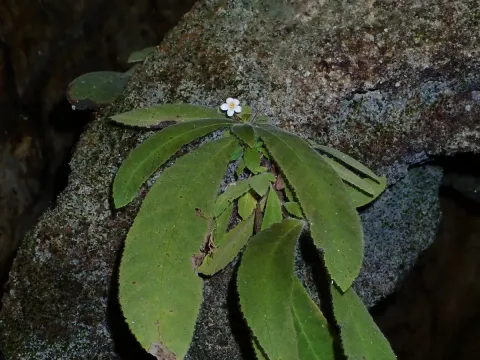
Amalophyllon
Amalophyllon
Amalophyllon is a genus of perennial herbaceous plants belonging to the Gesneriaceae family. In terms of horticultural practice, these plants are considered specialized crops that thrive only under strictly controlled environmental parameters.
What the section contains


Amalophyllon
The genus originates from the tropical rainforests of Central and South America. These plants have evolved to occupy specific niches within the understory, requiring low-light intensity and high atmospheric humidity to maintain healthy physiological processes.
Successful cultivation of Amalophyllon requires a stable temperature range between 20 and 25 degrees Celsius. Any significant deviation or exposure to cold drafts can lead to immediate tissue damage and stunted growth patterns.
The planting substrate must be exceptionally porous and moisture-retentive but never waterlogged. A mixture of high-quality peat moss, perlite, and fine bark is typically recommended to provide the necessary aeration for delicate root systems.
Humidity management is the most critical aspect of care. Amalophyllon requires a relative humidity level of at least 70 to 80 percent, which often necessitates the use of terrariums, glass cases, or specialized misting systems in professional greenhouses.
The primary threats to Amalophyllon are fungal pathogens that proliferate in stagnant water or overly dense soil. Root rot is a common occurrence if the drainage is insufficient or if the plant is overwatered during the dormant phase.
Pest management is focused on controlling spider mites and mealybugs. These pests thrive in dry environments, making it essential to monitor the plant environment closely and intervene with biological controls when necessary.
Chemical sensitivity is a notable trait of the genus. Amalophyllon does not tolerate high levels of synthetic fertilizers, which can quickly burn the roots. Organic-based, diluted liquid fertilizers are the safest option for supplemental feeding.
Improper irrigation practices, such as getting water directly on the foliage, can cause spotting and leaf necrosis. Bottom-up watering or precise irrigation techniques are preferred to keep the leaves dry and healthy.
Regular sanitation of the growing environment is essential to prevent the spread of diseases. Removing old foliage and maintaining cleanliness in the cultivation area significantly reduces the risk of pest outbreaks and fungal infections.