
Acroceras
Acroceras
Acroceras is a genus of perennial grasses belonging to the Poaceae family. These plants are widely recognized in tropical and subtropical regions for their potential as high-quality forage crops, providing a reliable source of green biomass for grazing livestock.
What the section contains
Acroceras
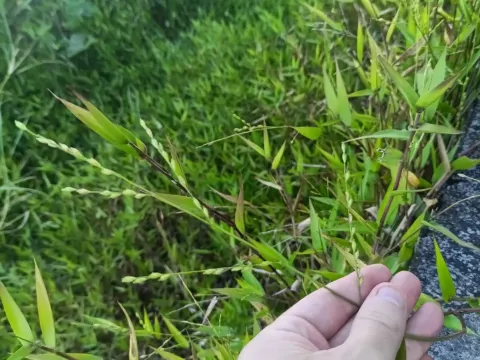
Botanically, Acroceras species are characterized by their trailing or ascending stems and distinctive inflorescences, often consisting of spreading panicles. Their leaf structure is generally soft and palatable, which contributes significantly to their high value as feed for cattle and other ruminants.
The climate requirements for Acroceras are strictly tropical; the plant thrives in areas with high ambient temperatures and consistent precipitation. It exhibits remarkable resilience in moist environments and can even withstand temporary waterlogging, a trait that makes it superior to many other forage grasses in poorly drained soils.
In terms of soil preferences, this crop favors fertile, moisture-retentive soils. While it can adapt to a variety of soil types, including those with slightly acidic pH levels, optimal biomass production is achieved in loamy soils enriched with organic matter, ensuring consistent growth cycles throughout the year.
Agricultural management of Acroceras focuses on sustainable grazing and hay production. Due to its ability to spread through stolons and root at the nodes, it forms a dense cover that recovers quickly after grazing, provided that the stocking rate is managed effectively and the soil nutrient levels are maintained.
Disease outbreaks in Acroceras fields are primarily associated with fungal pathogens that thrive in humid, stagnant conditions. Rusts and leaf spots are common issues that may occur if the canopy remains wet for prolonged periods, negatively impacting the total forage yield and quality.
Insect pests, including various caterpillars and beetles, can pose a threat to the plant's vegetative parts during the peak growing season. Integrated pest management, which includes rotating grazing areas and maintaining optimal plant density, is essential to mitigate damage and ensure the longevity of the pasture.