
Acroceras zizanioides
Acroceras zizanioides
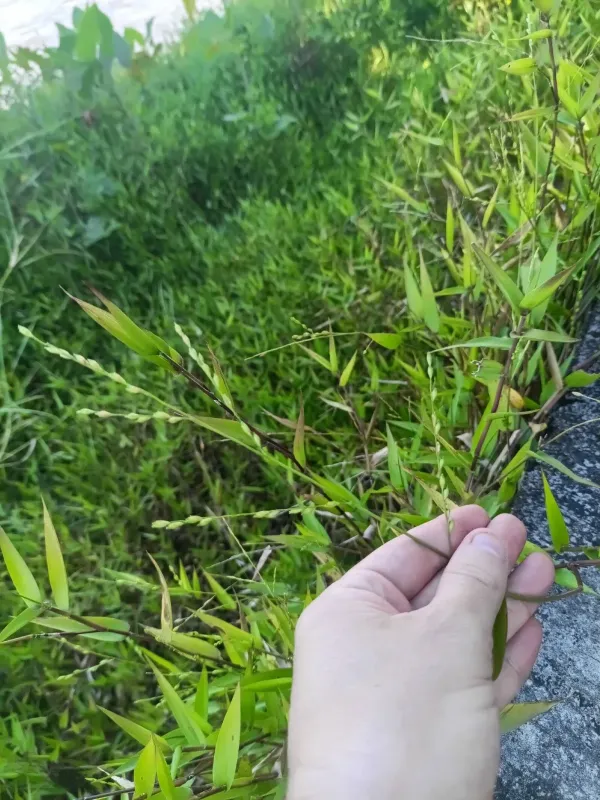
Description
Growing requirements
Acroceras zizanioides is a perennial grass species belonging to the Poaceae family. Native to tropical and subtropical regions, this plant is well-adapted to warm climates and environments characterized by high levels of moisture, such as riverbanks and wetlands.
Botanically, the plant is recognized by its decumbent or trailing stems that possess the capacity to root at the nodes. This morphological trait allows the plant to form dense, creeping mats, which are effective in stabilizing the soil and maintaining soil moisture levels.
The crop requires stable, high-temperature conditions and consistent moisture throughout the growing season. It performs exceptionally well in waterlogged conditions where many other fodder crops would fail, making it a specialized choice for low-lying agricultural land.
Soil requirements for Acroceras zizanioides include high fertility and favorable moisture retention capacities. While it adapts to a variety of soil textures, heavy soils with high organic matter content are considered ideal for achieving maximum biomass production.
In terms of agricultural use, it is highly valued as a nutritious forage crop. It is widely utilized for grazing livestock, providing a reliable source of green matter in regions where tropical forage options are limited by excessive rainfall or flood-prone terrain.
Main diseases and pests
The primary threats to Acroceras zizanioides include fungal diseases such as leaf rust, which can proliferate rapidly in the humid environments where this grass thrives. Regular scouting of the canopy is essential to monitor health.
Insect pests, including various caterpillars and leaf-eating beetles, often pose a risk to the foliage. These pests can significantly reduce the photosynthetic area of the grass, thereby impacting overall yield.
Effective management against these threats involves ensuring adequate air circulation through regular grazing or mowing cycles, which discourages the buildup of pathogen populations within the crop stand.
Biological balance is key; maintaining a diverse and healthy soil microbiome can help the plants better resist environmental stress and minor pest attacks that might otherwise weaken the stand.
Integrated pest management strategies focusing on cultural practices, such as rotating grazing pressure, are recommended to maintain the long-term productivity and health of the Acroceras zizanioides pastures.