
Aegilops biuncialis
Aegilops biuncialis
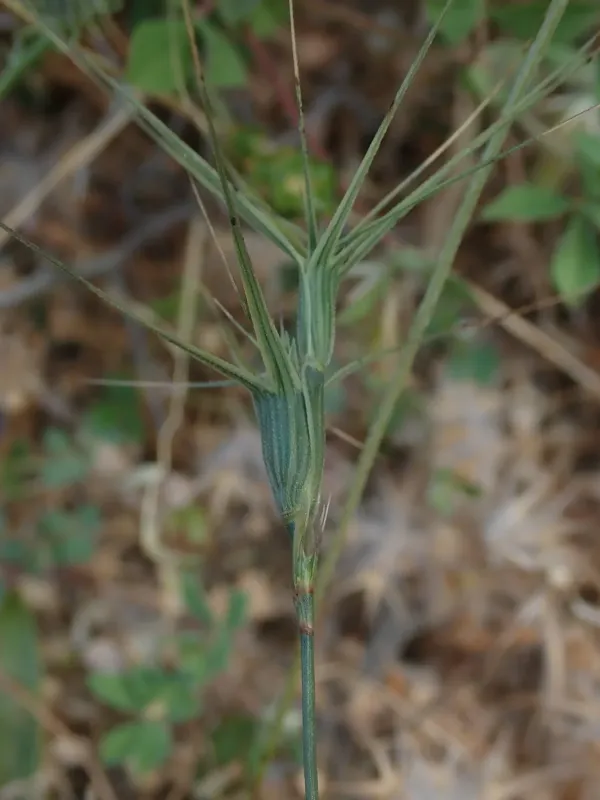
Description
Growing requirements
Aegilops biuncialis is an annual grass species belonging to the Poaceae family. It is widely recognized by botanists as a significant wild relative of bread wheat, possessing a unique genetic makeup that contributes to the resilience of agricultural cereals.
The native range of this species extends across the Mediterranean basin, the Caucasus, and parts of Central and Western Asia. It thrives in diverse habitats, including arid slopes, rocky terrain, and steppe regions where it can outcompete other less resilient plant species.
Regarding soil and site requirements, Aegilops biuncialis prefers well-drained, nutrient-poor, or calcareous soils. Its ability to tolerate salinity and alkaline soil conditions makes it a valuable subject for studying plant adaptation to marginal environments.
The climate requirements for this plant are characteristic of Mediterranean-type ecosystems. It excels in regions with hot, dry summers and cool, wet winters, showcasing high drought tolerance throughout its lifecycle and requiring minimal irrigation for development.
Botanically, the plant is characterized by its spike inflorescence, which disarticulates upon maturity. The glumes are typically tough, protecting the seeds and facilitating dispersal, a trait that breeders often analyze to improve seed retention in domesticated grain varieties.
Main diseases and pests
Common plant diseases affecting Aegilops biuncialis include various forms of rust and powdery mildew. While these diseases are widespread in cereal crops, wild Aegilops populations often exhibit complex resistance mechanisms that protect them from total infestation.
Pests such as cereal aphids and sunn pests (Eurygaster integriceps) are known to feed on this species. Because this plant serves as a host, monitoring its presence near commercial wheat fields is essential to prevent the spread of these harmful insects to crop zones.
Soil-borne pathogens and nematodes may also affect the root systems of the plant in specific environmental contexts. Good agricultural practice involves rotating or isolating research plots to maintain the purity of the genetic material.
Although it is not a primary agricultural crop, Aegilops biuncialis is occasionally threatened by land conversion and habitat loss. Conservation of these wild populations is vital for maintaining the biodiversity of the wheat gene pool for future agricultural needs.
Its primary economic value lies in its role in breeding programs. By identifying specific alleles for stress tolerance, researchers can cross this species with wheat to improve crop performance in changing climates and harsh environmental conditions.