
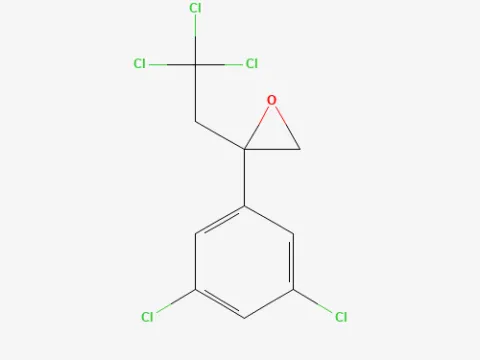
Tridiphane
Tridiphane is a chlorinated hydrocarbon compound that serves as a highly effective synergist for triazine herbicides. It is not used as a standalone herbicide, but rather as an additive to boost the efficacy of products like atrazine and cyanazine.
What the section contains
Tridiphane
The primary mechanism of action involves the inhibition of metabolic enzymes within weed tissues. By blocking the plant's ability to detoxify the herbicide, Tridiphane allows the active ingredient to remain at toxic concentrations inside the weed for a longer duration.
This synergistic action significantly increases the speed and efficiency of weed mortality. Even weed species that have developed resistance to standard triazine treatments become susceptible when Tridiphane is added to the spray tank.
Tridiphane enhances the systemic uptake of herbicides, ensuring that the chemical reaches the root zone and meristematic tissues of the weeds more effectively. This creates a superior killing effect compared to applying the herbicide alone.
By maximizing the performance of base herbicides, Tridiphane helps farmers reduce total chemical usage rates. This contributes to better soil health and lower environmental impact during the crop protection process.
Tridiphane is predominantly used in maize production. It is highly effective in managing difficult broadleaf weed populations that have evolved resistance to common herbicide programs.
Target weeds include species such as Chenopodium album (common lambsquarters), Amaranthus spp. (pigweed), various Polygonum species, and Ambrosia artemisiifolia (common ragweed), which are otherwise hard to control with traditional methods.
The application rates of Tridiphane are determined by the specific herbicide mixture and the growth stage of the target weeds. It is essential to follow the label recommendations provided by the product manufacturer for tank-mixing.
Application is most effective during the early growth stages of weeds. Timing is critical to ensuring that the synergist optimizes the metabolic inhibition of the weeds before they reach a stage of hardening or excessive growth.
Proper protective equipment is mandatory when handling Tridiphane, including respiratory protection and chemical-resistant gloves. Direct contact with the skin or eyes must be avoided during the mixing and spraying phases.
Crop rotation considerations should be taken into account as the synergistic mixture may leave residual effects in the soil. Always check for compatibility with other crop protection products to ensure stability and effectiveness of the spray solution.