
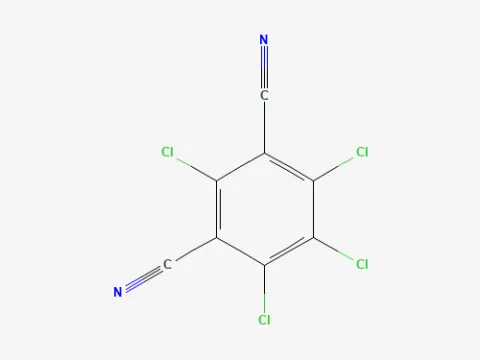
Chlorothalonil
Chlorothalonil is a widely used contact fungicide belonging to the chloronitrile chemical class. It acts as a preventative barrier, inhibiting fungal spore germination on the plant surface.
What the section contains
Chlorothalonil
The mode of action is multi-site, meaning it affects several metabolic processes within the fungal cell simultaneously. By reacting with thiol groups of essential enzymes, it prevents the pathogen from producing energy.
Due to this unique multi-site activity, it is extremely difficult for fungal populations to develop resistance to chlorothalonil, making it a cornerstone of integrated pest management strategies.
The compound is known for its excellent adhesion properties, which allow it to stay on the foliage for an extended period, providing lasting protection even in wet weather conditions.
It does not penetrate plant tissues, which means it should be applied to all plant parts thoroughly to ensure comprehensive coverage and effective disease prevention.
Chlorothalonil is effective against a broad range of fungal pathogens, particularly those causing blights, leaf spots, and mildew on various agricultural crops.
Commonly applied to potatoes, tomatoes, vegetables, cereals, and ornamental plants, it is a staple in professional farming for protecting high-value harvests.
It is specifically valued for its efficacy against difficult-to-control pathogens, including oomycetes and ascomycetes, which can devastate crop yields if left unchecked.
- Late blight in potatoes and tomatoes.
- Early blight and leaf spots.
- Downy mildew in various vegetables.
- Anthracnose in fruit crops.
By preventing initial infections, chlorothalonil helps maintain healthy plant physiology and supports optimal yield potential throughout the growing season.
Application rates for chlorothalonil vary based on the specific crop and the severity of disease pressure, typically ranging between 1.5 to 3.0 kg/ha or L/ha of product.
Proactive application is highly recommended; the goal is to establish a protective residue on the foliage before environmental conditions favor the development of fungal spores.
Regular re-applications are required depending on the growth rate of the crop and the persistence of disease pressure, usually every 7 to 14 days under standard farming practices.
Tank-mixing with other fungicides is a common practice to broaden the spectrum of control and to implement resistance management protocols effectively.
Proper calibration of spraying equipment is essential to ensure uniform distribution of the fungicide, as the effectiveness of a contact product relies on total surface coverage.
Chlorothalonil must be handled with care; users should wear appropriate personal protective equipment (PPE) to avoid skin, eye, and respiratory irritation during mixing and application.
Adherence to pre-harvest intervals (PHI) is mandatory to ensure that chemical residues in the final food products are below the maximum residue levels established by authorities.
It is toxic to aquatic organisms, so application should be strictly managed near water bodies, drainage ditches, and sensitive ecological zones to prevent runoff.
The product should be stored in its original, sealed container in a cool, dry place, away from food, animal feed, and reach of unauthorized individuals.
Users must comply with local regulations regarding pesticide disposal and the cleaning of application equipment to prevent environmental contamination.