
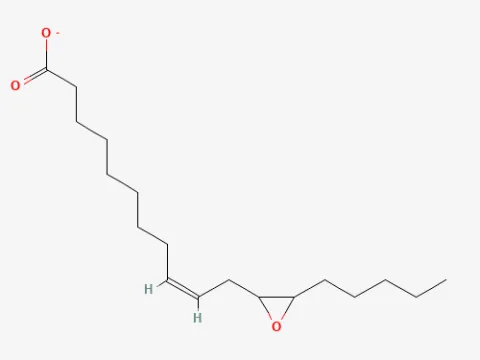
Vernolate
Vernolate belongs to the chemical class of thiocarbamates and is widely recognized as a selective pre-plant incorporated herbicide.
What the section contains
Vernolate
Its primary mode of action is the inhibition of meristematic growth in germinating weeds, specifically interfering with lipid synthesis and cell division processes.
The substance is known for its high volatility, which necessitates immediate soil incorporation to ensure the herbicide remains trapped in the soil and effective against weeds.
Plants absorb the active ingredient through the coleoptile or hypocotyl as they germinate, leading to the prompt cessation of growth and subsequent plant death.
The residual activity in the soil generally lasts from several weeks to two months, providing a sufficient window for the protected crop to establish itself.
Vernolate is effective in controlling a variety of annual grass weeds, including species of foxtail, panicum, and wild oat populations.
It also provides limited control over certain broad-leaved weed species that emerge from seeds located within the top layers of the soil profile.
Major crops protected by this herbicide include corn, soybeans, sugar beets, and various industrial crops grown in row systems.
It is important to note that the herbicide is not designed to control established perennial weeds, as it targets seeds and emerging seedlings rather than established root systems.
For more comprehensive weed control, it is often combined with other herbicides that target a broader spectrum of dicotyledonous weeds.
Application rates vary based on soil type and the degree of weed pressure, typically ranging between 3 to 6 liters of product per hectare.
The herbicide must be applied prior to planting, followed by mechanical incorporation to a depth of 5–8 cm to minimize evaporation and enhance efficacy.
Operational timing should focus on periods with moderate soil temperatures to reduce the rate of product volatilization from the treated field surface.
Adjustments to application rates should be made according to soil organic matter content; higher dosages are required for heavier or high-humus soils.
Adherence to local guidelines regarding the safety interval between application and harvest is mandatory to ensure compliance with agricultural standards.
The primary constraint of using Vernolate is the requirement for specific machinery capable of immediate soil incorporation upon application.
Application on waterlogged or excessively wet soils should be avoided, as it can cause crop injury and reduce the overall effectiveness of the treatment.
Crop rotation planning is essential, as residue levels of thiocarbamates in the soil may affect sensitive crops planted in subsequent seasons.
Strict safety protocols must be followed during handling, including the use of protective clothing and respirators, due to potential toxicity.
Storage must be handled in facilities that meet fire safety standards, keeping the product away from heat sources and potential ignition triggers.