
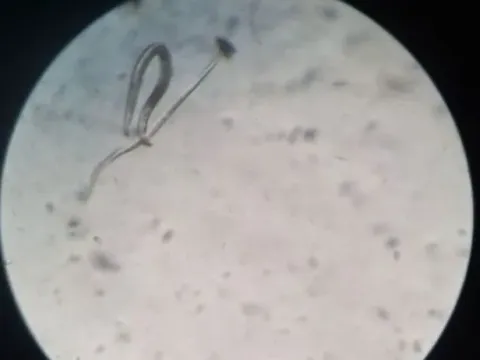
Wheat seed gall nematode
Wheat
The wheat seed gall nematode (Anguina tritici) is a significant plant-parasitic nematode belonging to the family Anguinidae. It is characterized by its ability to enter a dormant state within dry plant tissues, known as galls, allowing it to survive for several years without a host.
What the section contains
Wheat seed gall nematode
The life cycle involves the larvae emerging from the galls when high soil moisture is present. These larvae migrate to the growing point of the host plant, where they feed and develop into adults, eventually depositing eggs that lead to the formation of new galls in place of the grain.
This parasite primarily targets wheat (Triticum aestivum), rye, and sometimes spelt. The damage occurs when the nematode larvae infect the floral primordia, turning the developing ovaries into hard, dark galls filled with thousands of dormant nematode juveniles.
In addition to the physical destruction of grains, the presence of the nematode causes systemic physiological stress in the plant. This reduces photosynthetic efficiency and leads to stunted growth, impacting both the yield quantity and the quality of the harvest.
Typical symptoms during the vegetative stage include twisting and curling of leaves, thickened stems, and reduced plant height. Plants often show significant stunted growth, which is more noticeable in patches within the field.
At the time of maturity, the most distinct sign is the presence of galls in the ear. These galls are shorter and thicker than normal kernels, often appearing dark brown or black, and are easily distinguished from healthy grain during mechanical threshing.
Management strategies emphasize the use of nematode-free, certified seeds. Seed cleaning processes, such as floatation in brine solution, can effectively separate the lighter galls from healthy grain, ensuring that the planting material is free from infestation.
Crop rotation is the most effective cultural practice, as the nematode cannot survive indefinitely in the soil without its host plant. A break of two or more years between wheat crops is usually sufficient to significantly reduce the population of nematodes in the soil.