
Watermelon silver mottle virus
Watermelon silver
Description
How to identify
The Watermelon silver mottle virus (WSMoV) is a plant pathogenic virus belonging to the genus Orthotospovirus within the family Tospoviridae. It is a segmented, single-stranded RNA virus that causes significant damage to agricultural crops.
This virus is primarily transmitted by thrips, particularly Thrips palmi. The virus is acquired by thrips larvae, which then remain viruliferous throughout their entire adult life, facilitating the rapid spread of the pathogen in favorable conditions.
The virus acts as a systemic pathogen within the host plant. Once introduced into the plant tissue via the feeding action of an infected thrip, the virus propagates and travels through the phloem to infect younger tissues and systemic organs.
The survival and prevalence of the virus are strongly correlated with the presence of susceptible weed hosts, which act as reservoirs during the off-season. In areas with high thrips populations, WSMoV can cause severe epidemic outbreaks.
Diagnostics typically involve serological tests such as ELISA or molecular techniques like RT-PCR to confirm the presence of the virus, as symptoms can mimic other cucurbit-infecting viruses.
What it damages
The host range of WSMoV includes major cucurbitaceous crops such as watermelon, melon, cucumber, and pumpkin. Infection leads to severe growth retardation, drastically reducing the photosynthetic capacity of the plants.
Economic damage is most notable due to the deformation of fruits. The fruit produced by infected plants is often small, malformed, and displays necrotic spotting or color irregularities, making it unsuitable for commercial sale.
The systemic nature of the infection means that once a plant is infected, it rarely recovers. Early infection can lead to the total collapse of the plant, often before it reaches the flowering or fruiting stage.
The cumulative impact on a plantation can be devastating, leading to significant yield loss and increased costs due to the necessity of removing and destroying symptomatic plants to prevent further spread.
Plants affected by the virus are also more susceptible to secondary stressors, including other pathogens and extreme weather, further exacerbating the reduction in agricultural productivity.
Signs of infestation
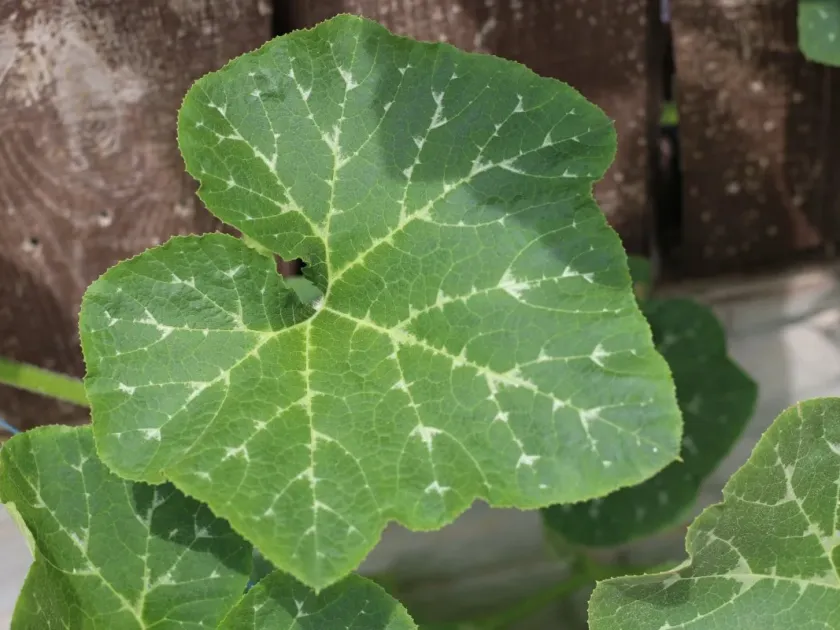
The hallmark symptom of WSMoV is the appearance of silvery or chlorotic spots on leaves, which often display a metallic sheen. These spots are the result of intracellular changes caused by the viral infection.
Plants display symptoms of severe mosaic, leaf crinkling, and distortion. Stunting is common, characterized by shortened internodes and stunted foliage that prevents the plant from developing a proper canopy.
Fruit symptoms are distinct and include ring spots, mottling, and irregular patterns of ripening. The skin of the watermelon may appear bleached or have light-colored streaks that diminish its market value.
In the field, the virus often manifests in a non-uniform distribution pattern, corresponding to the movement and feeding patterns of the thrips population that introduced the virus to the specific plants.
- Silvery and chlorotic spots on leaves.
- Leaf distortion, crinkling, and mosaic patterns.
- Ring-shaped necrotic spots on the fruit surface.
- Significant plant stunting and shortened internodes.
- Reduced fruit set and poor quality of harvested crops.
Control measures
The management of WSMoV relies heavily on controlling the vector population. The use of systemic insecticides, rotated according to their mode of action, is essential to minimize thrips feeding on vulnerable crops.
Weed management is a critical preventative strategy. Removing host weeds in and around the vicinity of the fields reduces the reservoir of the virus and limits the starting point of the next infection cycle.
Selecting virus-resistant or tolerant cultivars is the most sustainable approach for long-term control. Breeding programs continuously work to improve the genetic resilience of watermelon against various tospoviruses.
Physical protection, such as using horticultural row covers (floating covers), can prevent thrips from reaching young seedlings, which are most susceptible to primary viral infection in the early stages of growth.
Implementing regular monitoring using blue or yellow sticky traps helps identify thrips populations early. Once a threshold is reached, immediate intervention can prevent the establishment of the virus within the field.
Causes diseases · 1
Discussion
No discussions yet — be the first.