
Wheat gall nematode
Chinese wheat
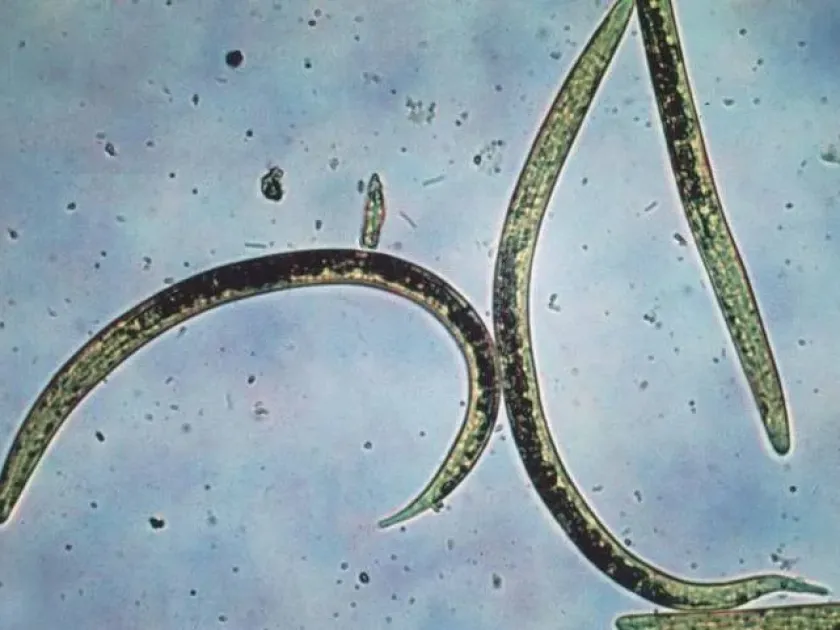
Description
How to identify
The wheat gall nematode, scientifically known as Anguina tritici, is a plant-parasitic nematode belonging to the family Anguinidae. It is a microscopic roundworm that poses a significant threat to cereal production worldwide.
The organism is characterized by its ability to enter a state of dormancy (anhydrobiosis) within dried galls, allowing it to survive for several years without a host plant.
What it damages
The primary host for this nematode is common wheat (Triticum aestivum), although it can also infest rye and occasionally barley. The damage is localized within the spikelets of the host.
The infestation results in the transformation of healthy grain kernels into hard, dark galls, commonly referred to as "wheat cockles" or "ear cockles," rendering the grain useless for milling.
When it appears
The lifecycle begins when larvae inside the galls are released into the soil. Driven by moisture, they climb up the seedlings to the growing point of the plant.
As the plant develops, the nematodes move into the developing floral parts. By the time of flowering, they reach maturity and reproduce within the ovary, creating thousands of new larvae that form the next generation of galls.
Signs of infestation
Early symptoms include twisting, stunting, and abnormal thickening of the leaves and stems in young wheat plants. Infected plants often exhibit a chlorotic appearance.
At the maturity stage, the most diagnostic sign is the presence of galls in the spikes. These galls are shorter and thicker than normal seeds, dark brown or black in color, and replace the healthy kernels entirely.
Control measures
Prevention is the primary strategy, focusing on the use of nematode-free certified seed. Seed cleaning procedures, including flotation in brine solutions, effectively separate light galls from healthy grain.
Integrated pest management involves strict crop rotation, ensuring a gap of at least two years between susceptible crops to break the lifecycle, combined with deep tillage to bury the galls deeply in the soil.
Causes diseases · 1
Discussion
No discussions yet — be the first.