
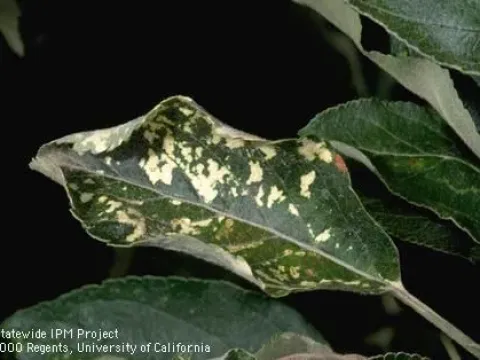
Tulare apple
Tulare apple
The Tulare apple (lat. Tulare apple) is a distinct plant pathogen that primarily affects pome fruit trees. It is classified as a fungal agent capable of infecting vascular tissues and bark layers.
What the section contains
Tulare apple
Taxonomically, this organism falls under the category of parasitic fungi. Its lifecycle is highly adapted to temperate climates, allowing it to remain dormant during the winter season.
Morphologically, identification is based on observing necrotic bark lesions and localized tissue degradation. In early stages, it requires laboratory analysis to confirm the presence of mycelium.
Professional agronomists conduct cross-section analysis of branches to visualize the fungal invasion into the tree's conductive systems. Proper differentiation is essential for targeted management.
Field observation remains the first line of defense. Experts monitor trees for subtle color changes in the bark, which indicate that the pathogen has successfully established itself.
The primary hosts for this pathogen are members of the Rosaceae family. Commercial apple orchards are particularly susceptible, especially in high-density planting schemes.
The pathogen damages the tree by disrupting the flow of water and nutrients, which results in significant stress to the entire plant. This leads to reduced vigor and poor growth rates.
Severe infestations often result in branch dieback and decreased leaf retention. Young trees are at the highest risk, as the pathogen can cause significant stunting.
Fruit quality is severely impacted; harvested apples show visible deformities and necrotic spots, making them unsellable. Total harvest losses can be substantial if not managed.
The long-term consequence of untreated infection is tree mortality. As the fungal infection progresses, the tree's ability to recover declines, eventually leading to permanent loss.
The pathogen's active development coincides with spring warming. As temperatures rise above 10 degrees Celsius, the fungal mycelium begins to colonize new plant tissues.
Spore dispersal occurs during the peak vegetative stage. High humidity, especially during the flowering and fruit-set periods, facilitates the rapid spread of the disease.
Mid-summer provides conditions for secondary infections if humidity remains high. However, very hot and dry weather can temporarily suppress the active mycelial growth.
During autumn, the pathogen prepares for dormancy by establishing secure reservoirs in the bark or decaying organic matter within the orchard.
Winter survival is achieved through the formation of overwintering structures. These allow the pathogen to persist in dormant wood, ready to resume activity once the cycle restarts.
Infected trees display bark cracking and localized soft spots. These areas eventually develop into open lesions that leak fluid and inhibit the tree's normal growth.
Foliage symptoms include premature yellowing and leaf curl, which disrupt photosynthetic capacity. These signs often appear before the standard onset of autumn foliage color changes.
- Dark, necrotic lesions on the trunk.
- Visible fungal mycelium under the bark surface.
- Deformed shoots and irregular branch growth.
- Sunken, rotted areas on ripening fruit.
When inspecting the fruit, you may notice distinct, hard-textured spots that eventually lead to interior decay. This renders the crop completely unsuitable for commercial use.
Effective management requires a combination of sanitation and chemical interventions. Removing and burning infected branches is critical to reducing the overall spore load.
Chemical control programs utilize copper-based fungicides during the early bud-break phase. Systemic fungicides are used later in the season to prevent further colonization.
Cultural practices, such as proper pruning to ensure light penetration and airflow, significantly reduce the humidity levels that favor fungal development within the canopy.
Orchard sanitation is paramount. Removing leaf litter and fruit debris from the orchard floor helps break the survival cycle of the pathogen during the winter months.
Maintaining balanced tree nutrition and monitoring for early stress signals are proactive steps that help the orchard resist and recover from Tulare apple infections.