
Tylenchus
Tylenchus
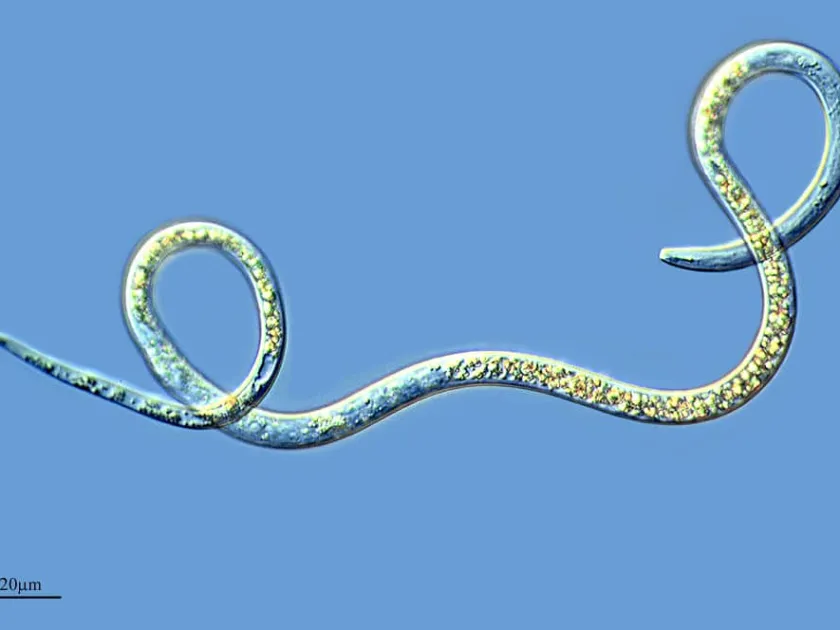
Description
How to identify
Tylenchus is a genus of plant-parasitic nematodes belonging to the phylum Nematoda, class Chromadorea, and order Rhabditida. These microscopic worms act as obligate or facultative plant parasites.
Physically, these nematodes are very small, typically measuring between 0.5 and 1.0 mm in length. They possess a transparent, spindle-shaped body and a specialized mouthpart called a stylet, used to pierce plant cell walls.
The taxonomy of the genus is complex due to high species diversity. Soil and root samples often contain mixed populations of several species, making accurate identification difficult without professional laboratory equipment.
Diagnosis primarily involves extracting nematodes from soil or plant tissue samples, followed by microscopic examination of morphological traits to identify specific characteristics.
For precise species-level identification, molecular genetic methods such as PCR are required, as the morphology of closely related species can be nearly identical.
What it damages
Tylenchus species affect a wide range of crops, including cereals, vegetables, and ornamental plants. They are typically found in the rhizosphere, feeding on the contents of root cells.
Damage to the root system reduces the plant's ability to absorb water and essential nutrients, which significantly impairs overall development and vegetation.
These nematodes also create wounds in plant tissues, which serve as entry points for secondary pathogens like fungi and bacteria, leading to further decay and rot.
The highest economic damage occurs when populations reach high densities, causing stunted growth, leaf chlorosis, and a decrease in the quality and yield of crops.
In intensive farming, the long-term accumulation of these nematodes in the soil can lead to reduced crop stand density and overall lower productivity within the rotation cycle.
When it appears
The life cycle of Tylenchus includes an egg stage, four larval stages, and an adult stage. Development can occur either within plant tissues or directly in the soil environment.
Nematode activity is heavily dependent on soil temperature and moisture levels. Optimal conditions for their reproduction align with the active growth period of agricultural crops.
During unfavorable conditions, such as extreme drought or freezing temperatures, these nematodes can enter a state of dormancy (anabiosis), allowing them to survive in the soil for extended periods.
They are spread primarily through infested planting material, contaminated agricultural machinery, and irrigation water carrying cysts or invasive larvae.
Once established in the soil, the population can persist for years by feeding on the roots of weed species, making complete eradication an extremely challenging task.
Signs of infestation
Infection is often signaled by stunted plant growth, pale foliage, and the premature yellowing of lower leaves compared to healthy plants.
The root system of infested plants typically appears underdeveloped, often showing signs of necrosis at the tips or the formation of abnormal growths or galls.
In fields, damage usually appears in patches where crops look significantly less vigorous than in the rest of the area, a common sign of soil-borne pest infestations.
When stems are affected, growers may observe stem distortion, twisted shoots, and the premature dropping of flowers or developing fruit.
Confirmation of a Tylenchus infestation requires professional phyto-helminthological analysis of soil and root samples in a specialized laboratory.
Control measures
The primary control measure is strict adherence to crop rotation, ensuring that susceptible host plants are not grown on infested plots for several years.
It is essential to regularly disinfect agricultural equipment and ensure that only certified, nematode-free seeds and planting material are used.
Agrotechnical practices, such as deep autumn plowing and the timely removal of weeds, can significantly reduce nematode population density in the soil.
Biological control agents, such as nematode-trapping fungi or antagonistic bacteria, can help suppress population growth without the need for synthetic chemical applications.
- Using cover crops (e.g., mustard or oilseed radish) as phytosanitary breaks.
- Application of specialized nematicides when population thresholds reach critical levels.
- Maintaining optimal soil fertility to enhance plant tolerance against nematode-induced stress.
Causes diseases · 1
Discussion
No discussions yet — be the first.