
Trochila
Trochila
Trochila is a genus of fungi within the order Helotiales, belonging to the class Ascomycetes. These fungi act as plant pathogens, typically targeting the leaf tissues of various trees and ornamental shrubs.
What the section contains
Trochila
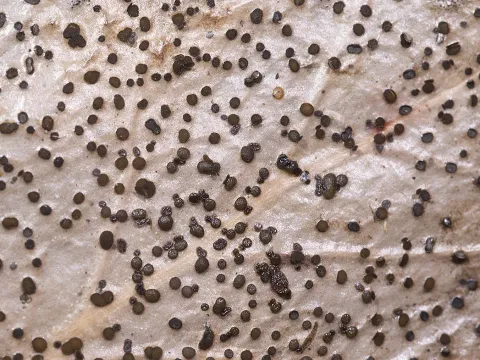
The genus is biologically characterized by the formation of minute, disk-shaped fruiting bodies known as apothecia. These are frequently found embedded within the host's necrotic tissue.
Taxonomically, Trochila consists of several species, such as Trochila ilicina, which is commonly associated with Holly. These organisms are highly specialized to their host plants.
The mycelium of the fungus penetrates the leaf epidermal cells, disrupting photosynthetic processes and causing characteristic localized cell death and discoloration.
Reproduction occurs through the development of spores within asci, which are released into the environment, relying on moisture for dispersal and successful germination on new hosts.
The damage caused by Trochila is primarily expressed as premature leaf senescence and defoliation. By destroying leaf cells, the pathogen reduces the plant's overall photosynthetic capacity.
In ornamental horticulture, the primary damage is aesthetic, as the spotting and premature leaf drop significantly impact the visual quality and value of the plants.
The weakened state of the plant makes it susceptible to opportunistic secondary infections, including wood-decay fungi and insect pests, which can accelerate the decline of the host.
Chronic infestation throughout several seasons limits the growth potential of trees, leading to stunted shoots and reduced vigor, especially in nursery settings or stressed forest environments.
Severe outbreaks may lead to the death of smaller branches or twigs if the infection is not managed, as the constant leaf loss exhausts the plant's carbohydrate reserves.
Infection cycles typically initiate in the spring when rising temperatures and humidity trigger the release of ascospores from overwintered leaf litter.
The disease reaches its peak during periods of frequent rainfall and moderate summer temperatures, which provide the leaf surface moisture required for infection.
Autumn is a critical period for the fungus, as it completes its sexual cycle on fallen leaves, developing the fruiting bodies that will survive the winter months.
In regions with mild winters, the pathogen may persist as active mycelium on evergreen leaves, allowing for year-round infection potential if conditions remain humid.
Epidemiological development is heavily influenced by the microclimate; dense foliage and poor airflow significantly increase the speed of infection spread throughout the canopy.
The initial signs of Trochila infection appear as small chlorotic spots that eventually turn brown or black as the tissue dies. These spots often develop a distinct margin.
Visible diagnostic features are the tiny, dark fruiting bodies (apothecia) that emerge on the necrotic parts of the leaf, usually more prominent on the underside.
Advanced infection often results in leaf yellowing and early abscission. In some species, the spots may coalesce, covering a large proportion of the leaf blade.
Misdiagnosis is common in early stages, but the presence of the minute, embedded fungal disks on dead tissue is the key indicator for accurate identification of this pathogen.
Field observation should focus on both sides of the leaf, as the presence of fruiting bodies confirms the infection as fungal rather than abiotic stress or nutrient deficiency.
Effective control of Trochila relies on a combination of rigorous sanitation and strategic chemical application to prevent the establishment of the pathogen.
The most crucial cultural practice is the thorough removal and destruction of all fallen leaves, as these represent the primary reservoir for the next season's inoculum.
Pruning should be performed to improve airflow and increase light penetration into the canopy, which creates an environment less conducive to fungal spore germination.
Fungicidal applications, particularly those containing copper or systemic triazoles, are effective when applied preventively or at the first signs of disease symptoms.
- Collect and destroy all fallen infected foliage.
- Thin out crowns to promote air circulation.
- Apply copper-based fungicides in early spring.
- Use systemic fungicides during high-pressure seasons.
- Maintain plant vigor with balanced fertilization.