
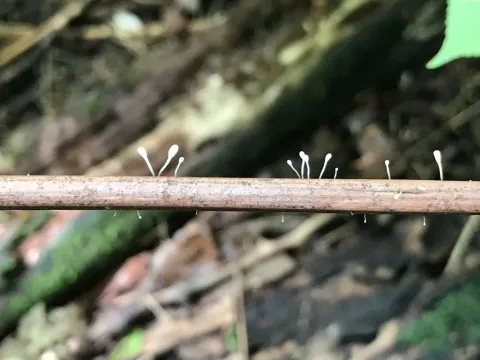
Typhula
Typhula
Typhula is a genus of basidiomycete fungi belonging to the Typhulaceae family, widely known as the primary agent of snow mold diseases in agricultural crops.
What the section contains
Typhula
These fungi are highly adapted to cold environments, thriving in the cool, humid conditions often found beneath a persistent snow cover during winter months.
The survival mechanism of the fungus involves the formation of sclerotia, which are hard, durable resting structures capable of persisting in the soil for several years.
As psychrophilic organisms, Typhula species exhibit unique growth patterns, allowing them to remain active even at temperatures near the freezing point of water.
Classification and identification are typically performed through the microscopic examination of the basidiocarps and the characteristic white mycelial mats that emerge during early spring.
Winter cereals such as wheat, rye, and barley are the primary victims of Typhula infections, frequently suffering significant stand losses in northern climates.
The damage caused by the fungus is often severe, as it directly attacks the crown and root tissues, which are critical for the plant's survival and spring regrowth.
In regions with heavy snowfall and relatively mild winter temperatures, the pathogen can cause complete destruction of crop stands within a matter of weeks.
In addition to mortality, surviving plants often show reduced vigor, stunted growth, and a significant decrease in final grain yield due to impaired physiological functions.
The economic impact of this pathogen is reflected in the high costs associated with replanting fields and the loss of inputs invested in the initial crop establishment.
The life cycle of Typhula is uniquely synchronized with the dormant season of the host crops, with the most active growth occurring under the insulating snow layer.
Infection cycles usually begin in the late autumn when cooling soil temperatures and increased humidity provide optimal conditions for mycelial colonization.
Winter periods characterized by frequent thaw-freeze cycles create the ideal environment for the fungus to spread rapidly across the surface of the soil.
Early spring serves as the final phase of disease development, during which the fungus completes its vegetative growth and initiates the production of new sclerotia.
As soon as the ground dries out and temperatures rise significantly, the pathogen stops growing, entering a dormant state to wait for the return of favorable conditions.
One of the most noticeable symptoms of a Typhula infection is the presence of grayish-white mycelium spreading across the leaves of winter crops after the snow melts.
Distinctive, small, brownish-black sclerotia are visible on the decaying plant tissues, serving as a diagnostic feature for confirming the presence of the pathogen.
Infected leaves become soft, water-soaked, and eventually turn brown, as the fungal enzymes decompose the plant cellular structure effectively.
Patches of dead vegetation become evident across the field, varying from small, scattered spots to large areas of complete stand failure, depending on the severity of the infection.
The crown region of the plant typically appears soft and darkened, indicating that the vascular system has been compromised, making any recovery nearly impossible.
Management of Typhula relies heavily on an integrated approach, starting with crop rotation to reduce the long-term buildup of sclerotia in the soil profile.
- Selecting resistant cereal cultivars adapted to specific regional conditions.
- Applying systemic seed treatments to prevent early infection during germination.
- Managing planting dates to avoid excessive vegetative growth before the onset of winter.
- Ensuring adequate soil drainage to minimize surface water accumulation.
- Using targeted fungicide applications during late autumn in high-risk environments.
Deep tillage practices are recommended to bury crop residues and sclerotia, thereby reducing the probability of them reaching the soil surface for the next infection cycle.
Post-winter management involves early spring nitrogen fertilization to stimulate the growth of surviving plants and help them recover from the winter stress.