
Turnip mosaic
Turnip mosaic
Turnip mosaic virus (TuMV) is a widespread and economically significant plant virus belonging to the genus Potyvirus within the Potyviridae family. It is a single-stranded RNA virus capable of infecting a vast range of plant species.
What the section contains
Turnip mosaic
The virus is primarily transmitted in a non-persistent manner by several aphid species, including the green peach aphid (Myzus persicae). It can also be spread through infected plant sap during mechanical handling and, less commonly, through seeds.
TuMV overwinters in perennial weeds and volunteer cruciferous crops. As temperatures rise in the spring, aphid populations become active, acquiring the virus from these sources and migrating into commercial fields.
As a systemic pathogen, the virus replicates within host cells and translocates through the phloem to all plant organs. This causes significant physiological changes and metabolic disruption in the plant's vascular system.
Identification is initially performed by observing field symptoms, but definitive diagnosis requires laboratory techniques such as Enzyme-Linked Immunosorbent Assay (ELISA) or Polymerase Chain Reaction (PCR) to identify viral proteins or RNA.
TuMV causes serious diseases in members of the Brassicaceae (cruciferous) family, including turnips, cabbages, cauliflower, broccoli, radishes, and oilseed rape. The economic damage can be substantial, especially in high-density plantings.
Infected plants exhibit reduced vigor and stunted growth. For head-forming vegetables, the virus prevents the formation of compact heads, resulting in loose and unmarketable produce that fails to meet quality standards.
Root crops affected by the virus often show deformation, cracking, and internal discoloration. These quality defects make the produce unsuitable for storage and significantly reduce its market value.
In oilseed rape production, the virus leads to lower seed yield, reduced oil content, and uneven maturation. These impacts directly translate to financial losses for farmers due to decreased tonnage and quality grading.
Moreover, infected plants are physiologically compromised, making them highly susceptible to secondary pathogens, including various fungal and bacterial rot-causing organisms that target weakened tissue.
The early symptoms of TuMV typically manifest as chlorotic spots or mosaic patterns on the leaves. These patterns often follow the veins, leading to a visible light-and-dark green mottled appearance.
Leaf deformation is a hallmark of the infection. Leaves may become severely crinkled, curled, or distorted, reflecting an imbalance in growth hormones caused by the viral activity within the plant cells.
Stunting is commonly observed in the infected crop, with affected plants appearing significantly smaller and less developed than healthy individuals. In many varieties, this is accompanied by a general yellowish cast.
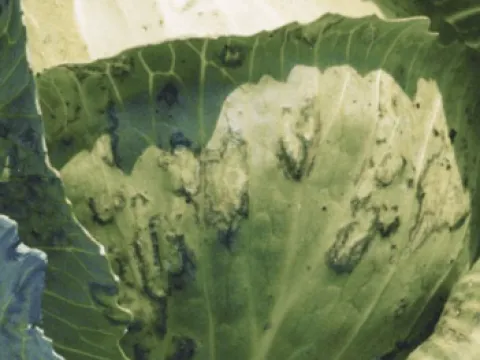
On matured leaves, necrotic rings or dark spots may appear as the disease progresses. These symptoms severely impact the aesthetic and nutritional quality of leafy vegetables like bok choy or cabbage.
- Mottled or mosaic chlorotic patterns on foliage.
- Severe leaf curling, puckering, or wrinkling.
- Significant stunting and overall plant growth retardation.
- Deformed or undersized heads and roots.
- Necrotic patches on older foliage as infection intensifies.
Sanitation is the cornerstone of TuMV management. Removing weeds from the Brassicaceae family in and around the field is vital, as these plants serve as the primary reservoir for the virus between seasons.
Controlling aphid vectors is essential to limit the spread of the virus. Integrated pest management (IPM) involving systematic insecticide application can help keep aphid populations below the threshold where viral transmission occurs.
Only certified, disease-free seed and transplant material should be used. Furthermore, maintaining spatial isolation between old, potentially infected crops and newly planted fields can significantly reduce the infection risk.
Crop rotation is a critical cultural practice. By not planting cruciferous crops in the same area for at least 3–4 years, growers can disrupt the viral life cycle and reduce the inoculum levels in the soil.
Selecting and planting resistant or tolerant cultivars is the most effective long-term solution. Breeding programs continue to prioritize resistance to TuMV, providing farmers with robust varieties that maintain yield despite exposure.