
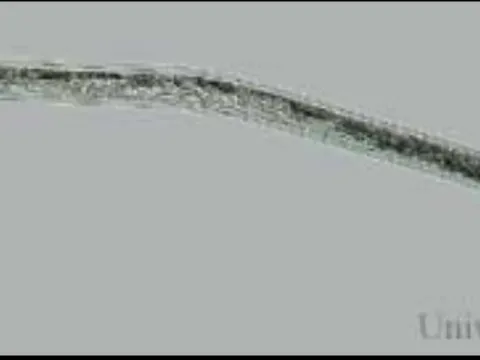
Trichodorus minor
Trichodorus minor
Trichodorus minor is a microscopic ectoparasitic nematode belonging to the order Triplonchida. This soil-dwelling pest does not enter root tissues but feeds externally, using its specialized stylet to puncture epidermal root cells.
What the section contains
Trichodorus minor
Systematically, this species belongs to the kingdom Animalia, phylum Nematoda, and family Trichodoridae. They possess a stout body and the ability to move rapidly through soil pores, which makes detection without laboratory soil analysis quite difficult.
These nematodes are important vectors of plant viruses, specifically the tobacco rattle virus (TRV). Their ability to transmit viral infections makes them significant phytopathogens, beyond the direct physical damage they cause to the root system.
The life cycle of the pest occurs entirely in the soil within the rhizosphere of host plants. Adults and larvae can survive under a wide range of soil conditions, remaining active as long as moisture levels and temperatures are optimal.
The population of Trichodorus in soil is often highly uneven. They are capable of vertical migration, moving into deeper soil layers during unfavorable weather conditions or in the absence of host plants, which complicates monitoring and control efforts.
Trichodorus minor affects a wide range of agricultural crops. The most susceptible plants include potatoes, tomatoes, peppers, onions, sugar beets, and various ornamental species grown in both greenhouses and open fields.
The primary damage involves the inhibition of root system growth. By feeding on root tips, nematodes cause stunted growth, excessive branching, and necrosis, often leading to a condition known as "stubby root."
Plants lose their ability to effectively absorb water and nutrients from the soil. Consequently, the above-ground parts of the plant show signs of chlorosis and general stunted development, which leads to significant yield losses.
The transmission of viruses is a particular danger. The tobacco rattle virus, carried by this nematode, causes systemic diseases such as ringspot, mosaic, and internal necrosis in potato tubers, rendering the harvest unmarketable.
Economic losses are cumulative, arising from reduced biomass and damaged product quality. Fields infested with these nematodes often require expensive soil sterilization treatments before planting sensitive high-value crops.
The primary field sign of an infestation is the presence of "patchy" growth, where plants in certain areas appear significantly shorter, weaker, and lighter in color compared to healthy surrounding plants.
When affected plants are dug up, the root system often appears underdeveloped. Root tips are frequently thickened, brownish in color, or exhibit necrotic lesions resulting from repeated feeding by the nematode's stylet.
If the nematode is a vector for the tobacco rattle virus, leaves may show specific patterns such as zigzags, arcs, or necrotic rings. In potato tubers, the virus manifests as brown spots or arcs of necrosis inside the flesh.
Diagnosing an infestation requires soil analysis using extraction methods such as the Baermann funnel. It is practically impossible to visually identify the nematodes on roots, as they quickly detach once the roots are removed from the soil.
Another indirect indicator is a decline in crop quality in the absence of clear fungal or bacterial symptoms. If there is unexplained yield decline across consecutive seasons in the same field, a nematode infestation should be suspected.
The primary control method is crop rotation. Excluding sensitive crops from the rotation for 2–3 years helps to reduce the nematode population in the soil to a safe level by eliminating their primary food source.
The use of quality cover crops that suppress nematode development (such as certain varieties of oilseed radish or mustard) is an effective biological method for cleaning the soil of these parasites.
Chemical control involves the use of nematicides and soil fumigants before planting. However, these substances are toxic and require strict adherence to application protocols, making them cost-effective only in large-scale industrial farming.
- Maintaining optimal soil moisture to reduce plant stress.
- Thorough cleaning of agricultural machinery and equipment to prevent the spread of soil and nematodes to clean fields.
- Using certified, disease-free planting material to prevent the introduction of viral infections.
Monitoring soil samples before the season starts allows growers to assess infestation levels and decide on necessary treatments. Preventive measures, such as the timely destruction of weed hosts that harbor the virus, play a critical role in crop protection.